

Ruvu Jitengeni
Day 6

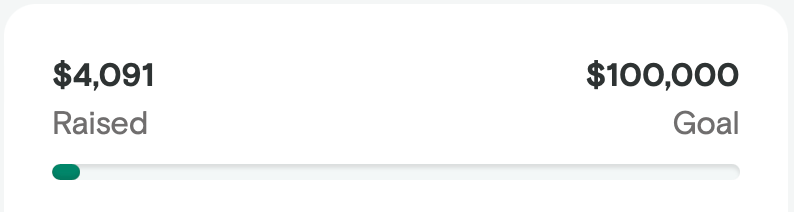
Run to Children’s Hospital Fundraiser (click me)
Route:
~35 miles(?)
Ruvu Jitengeni
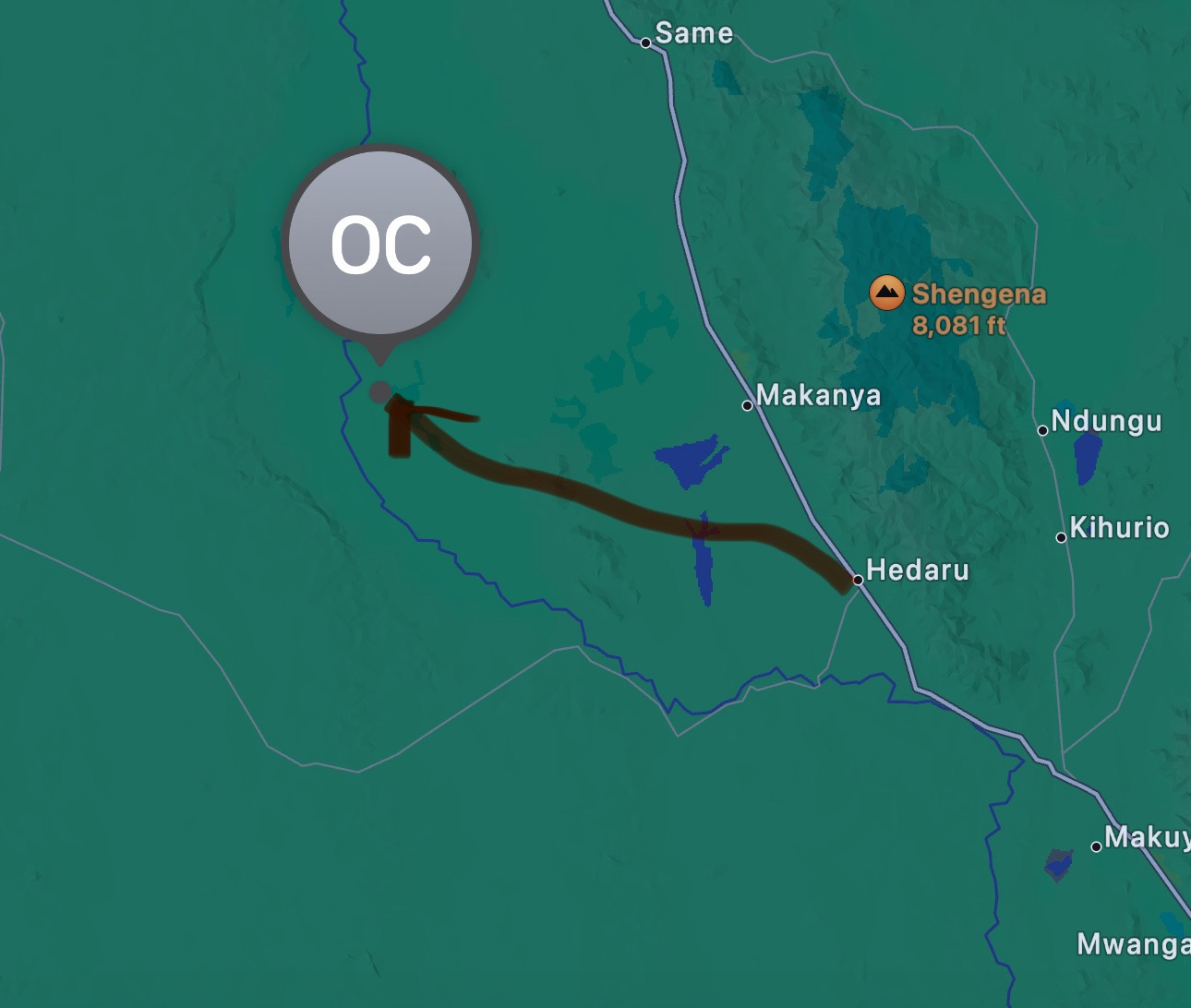
Today was the hardest day so far. Day 6. We ran/walked from Hedaru to Ruvu Jitengeni, Masoud’s childhood village far off the highway on the Pangani River. I woke up very tired at 5:15 but physically good to go. The day before we waited at the chairman’s house for many hours while he tried to find a host. When he finally returned, he brought us to a guesthouse. I had been angry because I would’ve already rested, bathed, and eaten had we gone straight to a guesthouse. Also, the chairman disappeared after dropping us off without saying a word. Masoud said the chairman felt ashamed that he couldn’t find us a host.
In the morning, when we walked out to the road, we heard some chanting behind us and got overtaken by a soccer team on their morning run. We followed them to the end of Hedaru before they turned around. They sang the entire time. They thanked me for joining. We all took some photos together at the end. What a way to start the day.
I ran 20 kilometers down the highway to Manyara where Masoud was waiting for me. I got cassava, chapati, and milk for breakfast. Masoud went to primary school in the town of Manyara. He took me there, and we met his teacher (“Madame”). Then we visited the family he stayed with as a student. He said he was excited to return home with a “mzungu” because it would mean he’s smart and successful.
Masoud’s host family told us Jitengeni was 47 kilometers from Manyara. They said we should really take a motorbike. The father once walked from Manyara to Jitengeni in 6 hours. I said it wasn’t possible to walk 47 km in 6 hours and refuted it had to be 20-25 km. I stubbornly remained committed to running. Internally, I wondered how I would pull that off as I almost fell asleep in the house of Masoud’s host family!
At 10:30, I started running down the dirt road to Jitengeni. Exactly perpendicular to the highway, it led straight into barren nothingness as far as the eye could see. The desert landscape failed to inspire, but the more forgiving dirt road and solitude of nature actually put me in a good mood. About an hour later Masoud passed me on a motorbike. He would wait for me in the Masai village of Combo.
(By the way, none of these places are on the map, not even the roads, so I had no way of knowing for sure how far everything was. Masoud guessed at where his village was on my phone’s Google Maps but ended up being pretty far off… he’d never seen a map of this area!)
Running through the desert, I went through waves that peaked with ecstatic joyful running followed by troughs of pain. I interpreted these to mean that I was running too fast. The highs come because running fast is fun, and then the pain because that speed isn’t sustainable for the distances I’m doing. I slowed down significantly.
Finally I rolled into Combo around 1:30. Masoud had been waiting for 2 hours. The Masai are striking. Unlike indigenous people in the US, Masai tribes are admired by everyone in Tanzania. They are the heroes here, not victims. They practice their primitive culture not because they’re in poverty but because they choose to. I find them especially attractive, not because of their tall slender appearance, but because they hold themselves with pride, as warriors.
I bought water, a coconut, and banana, and we walked to a “vein” of the Pangania River. These veins appear seasonally— they disappear by the end of the dry season. A Masai paddled us across in a traditional boat. He was very excited to meet a white person and said he wanted to come to America and marry a white woman. I asked him if he was very proud to be a Masai. He said, “yes because it’s natural.” He asked if I had come to learn about the environmental condition of the area. Indeed that was a large part of the motivation for making this detour. We had asked about the economic condition of Combo. It’s very slow right now. Desertification bodes poorly for a people living naturally off the land. Less vegetation for their cattle to eat. There was one very nice house in town. We were told a mzungu built it. I would’ve thought I was the first white person ever to come out here.
When we got to the other side, we all took photos together. Continuing on, Masoud and I took off our shoes to walk through a couple more puddles. When I took mine off, the left inner sole of my sneaker was missing!! I’d been running the whole day without it. Normally, I wouldn’t stress a difference like this, but in the middle of the African desert, running a marathon a day, little things like this matter!! Not to mention, to think of how a single inner sole possibly disappeared remains a mystery for only Sherlock Holmes.
Around 3pm, we emerged from the vein into more barren desert (all recent desertification in Masoud’s lifetime). We started walking with Masoud as guide. After a couple hours we passed some Masai sheds, and the landscape slowly became more vegetated. Masoud limped because his right leg cramped. If I felt like I was in Lord of the Rings running through Canada, now I didn’t even have to use my imagination. I, Frodo, grimacing in pain, Masoud cheerfully limping home. Exhausted from running/walking all day. No water left. Passing through literal medieval villages with mud huts and cattle roaming. Then all the people in traditional clothes flock when they see these foreign travelers. In our exhausted states, Masoud asked if we would see each other again after this adventure was complete. I said yes. He asked if that was a promise. I thought about it for a moment and said yes.
We finally got to Jitengeni at 6pm, 12 hours after leaving Hedaru. I said it was beautiful. Masoud didn’t believe me. He quoted Around the World in 80 Days and exclaimed ironically, “Oh my what a village!” (Interesting that in our globalized world, many third world villages grow up with the same pop culture as Americans, even though it puts them down). Masoud’s aunt gave us chapati 🫓 malanga 🫘. Then we went to Masoud’s childhood home, a brick building covered by corrugated metal roof. One kitchen wall is lined with buckets of water. They fill the buckets at the river 200 meters away. The shower/toilet is a shed behind the house. A few incense sticks in the cracks of the walls burned to repel mosquitos. I said, “I like your home.” Masoud smiled then started laughing, “Yes. My home. That’s what this is.”
Tomorrow the plan is to trek through the desert to a freestanding mountain on the way back to the highway. It looks beautiful but maybe I’ll need a rest day. I’m very grateful to have the Canada experience in my back pocket right now. I spent a lot of time in this pain cave during that run. My body ached badly enough that I couldn’t sleep. I’m at that point now but in high spirits. No pressure to push through. We’re home— it wouldn’t be the worst to spend a day here. Masoud is glowing despite his limp, and his family is elated. (By the way, I will not be letting Masoud run/walk with me until his limp goes away).
Good stuff Ollie! When does Masoud get his own blog? Can't wait to read his perspective :-)
Ops. I'm trying to figure out how to meet up with you. Maybe in Kenya in early November? What do you think? I have always wanted to go to Kenya. "Out of Africa" is one of my favorite movies...