Onagawa
Japan Day 16

Overview
I have a personal project of running 1000 miles on every continent. On May 27, I started running through the Indian Himalaya mountains inspired by the “Great Himalayan Trail” (GHT), a concept of linking the Himalayas together in one thru hike. In 24 days, I covered 379 miles, the great majority of which above 3400m. On June 29, I started running through Japan in Part 2 of 2025’s production of I Run Earth in Asia.
Why am I doing this? To see what I can do, see the earth, and raise money for charity! My runs have raised over $20K for charity since 2024. In this run, I chose to support Rise Against Hunger, which provides school feeding programs across the world. Learn more and donate to Rise Against Hunger here.
Day 16: July 14 Onagawa
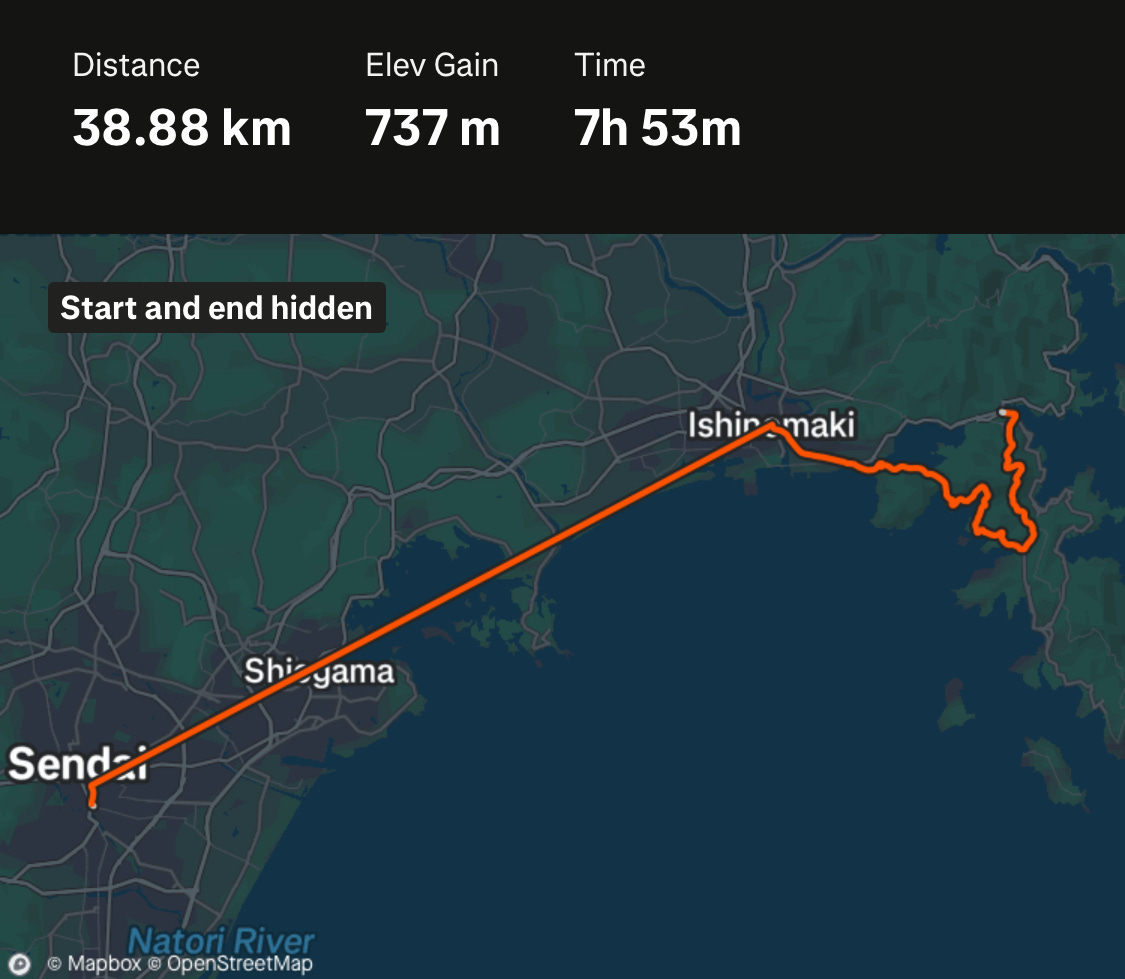
I woke up at my hostel in Sendai around 6am and walked to the train station. I wasn’t particularly excited to return to the Michinoku Trail but still had curiosity about the tsunami and some surf shops I saw on Google Maps.
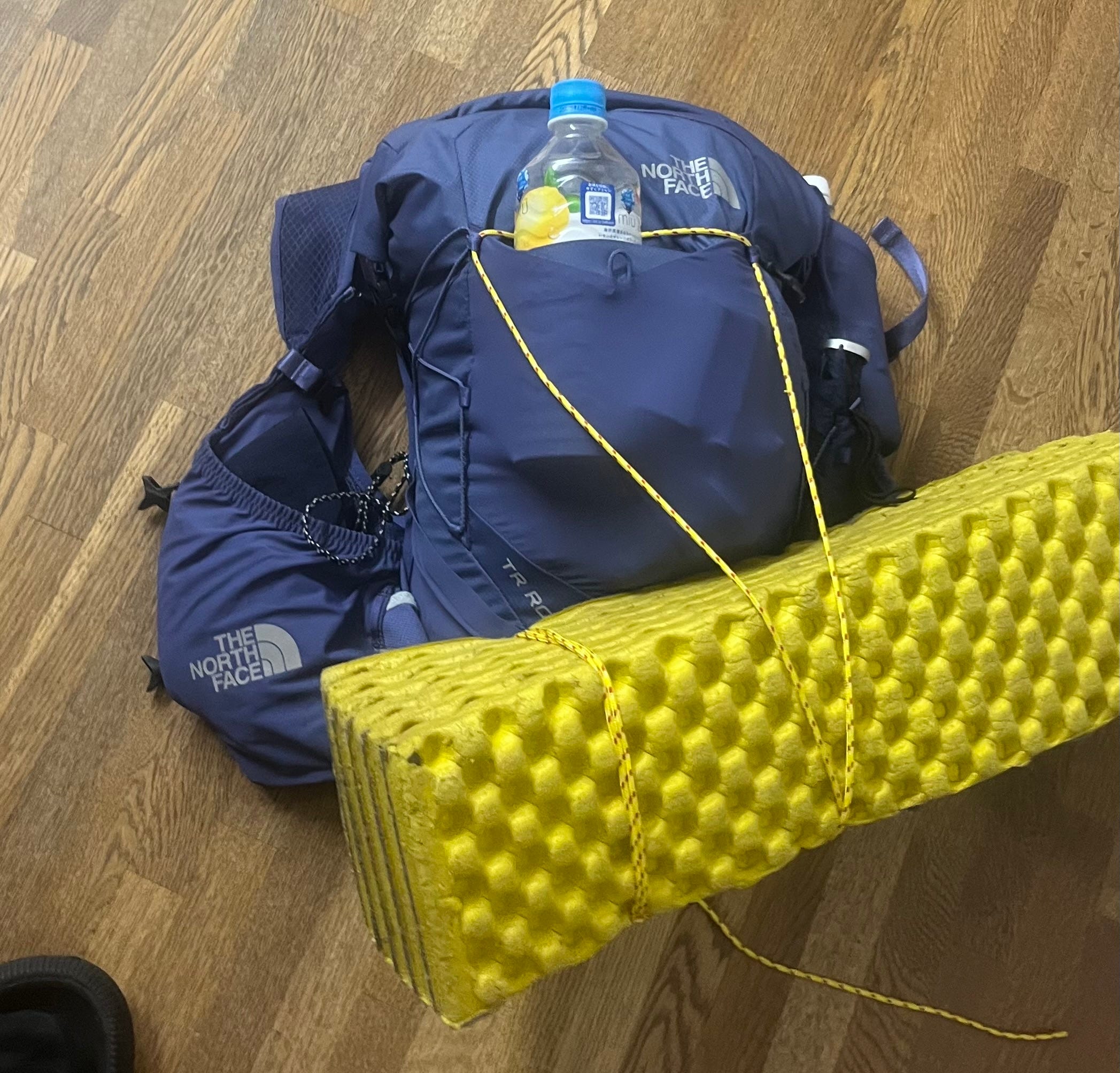
The new pack! Cutting edge
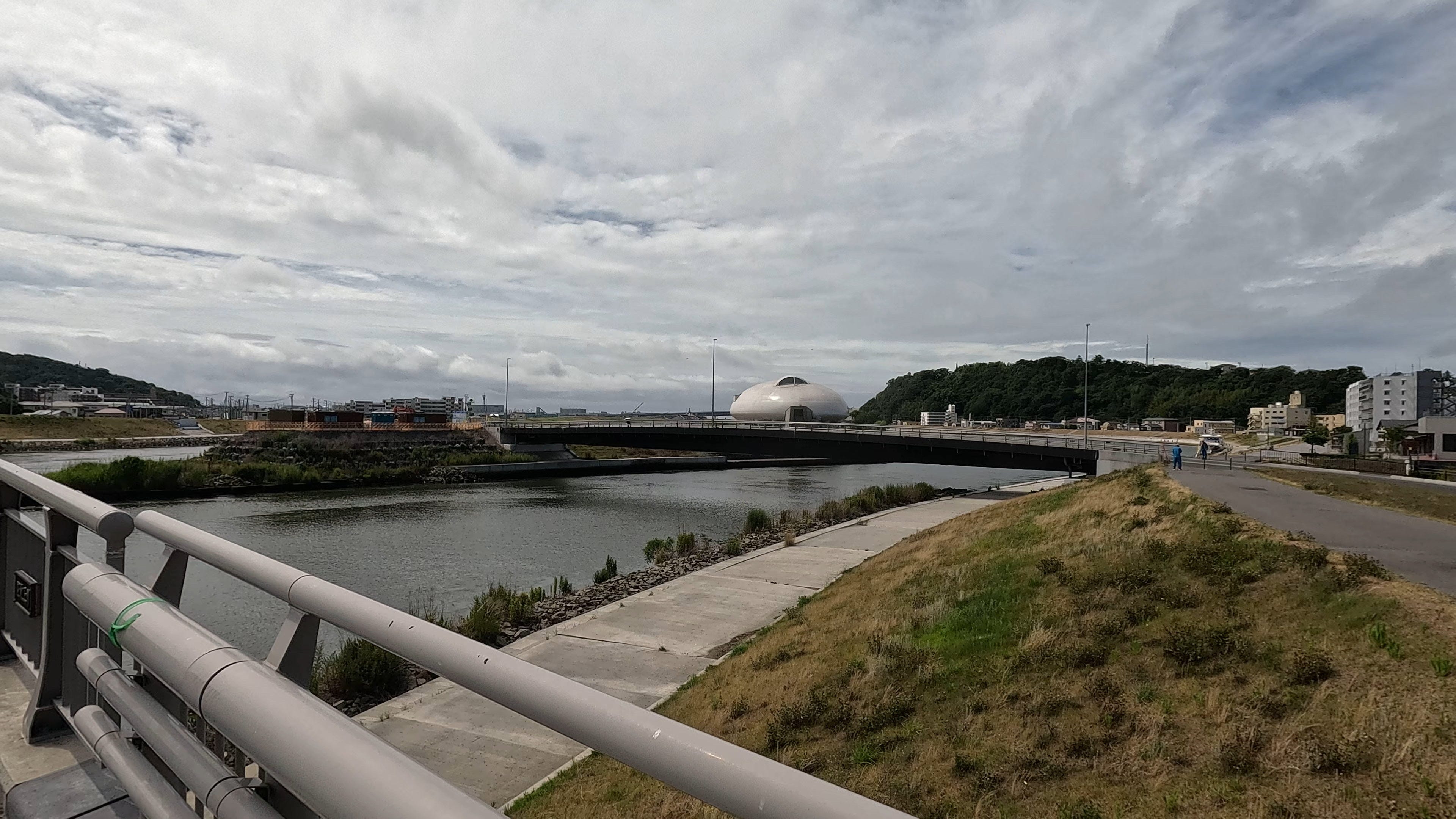
I took the train back to Ishinomaki and started heading north on paved roads. “Hiking trail” feels like the wrong description for whatever this is.
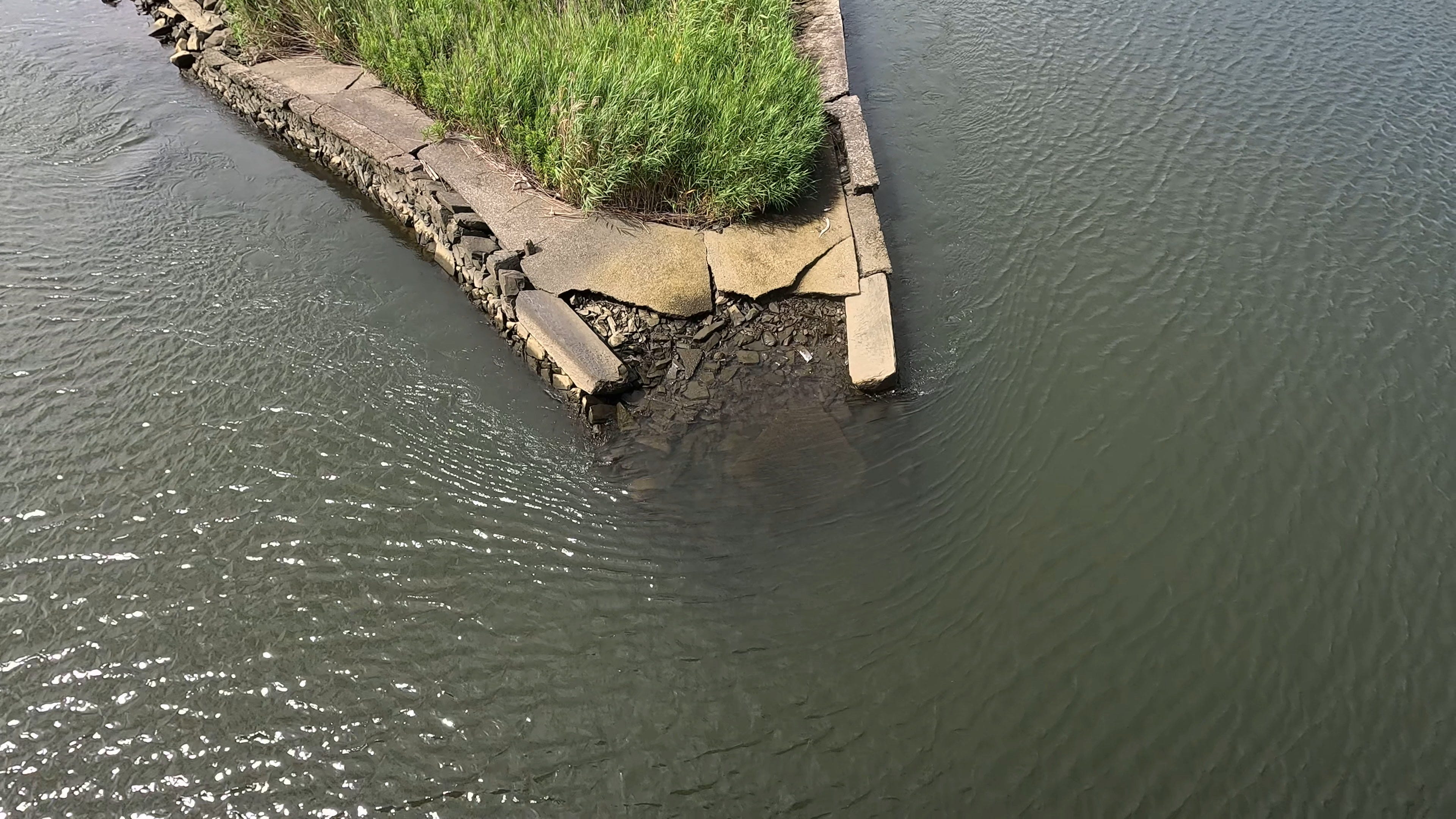
Ishinomaki City suffered the greatest damage of anywhere in Japan in the 2011 tsunami. There were 4000 casualties.
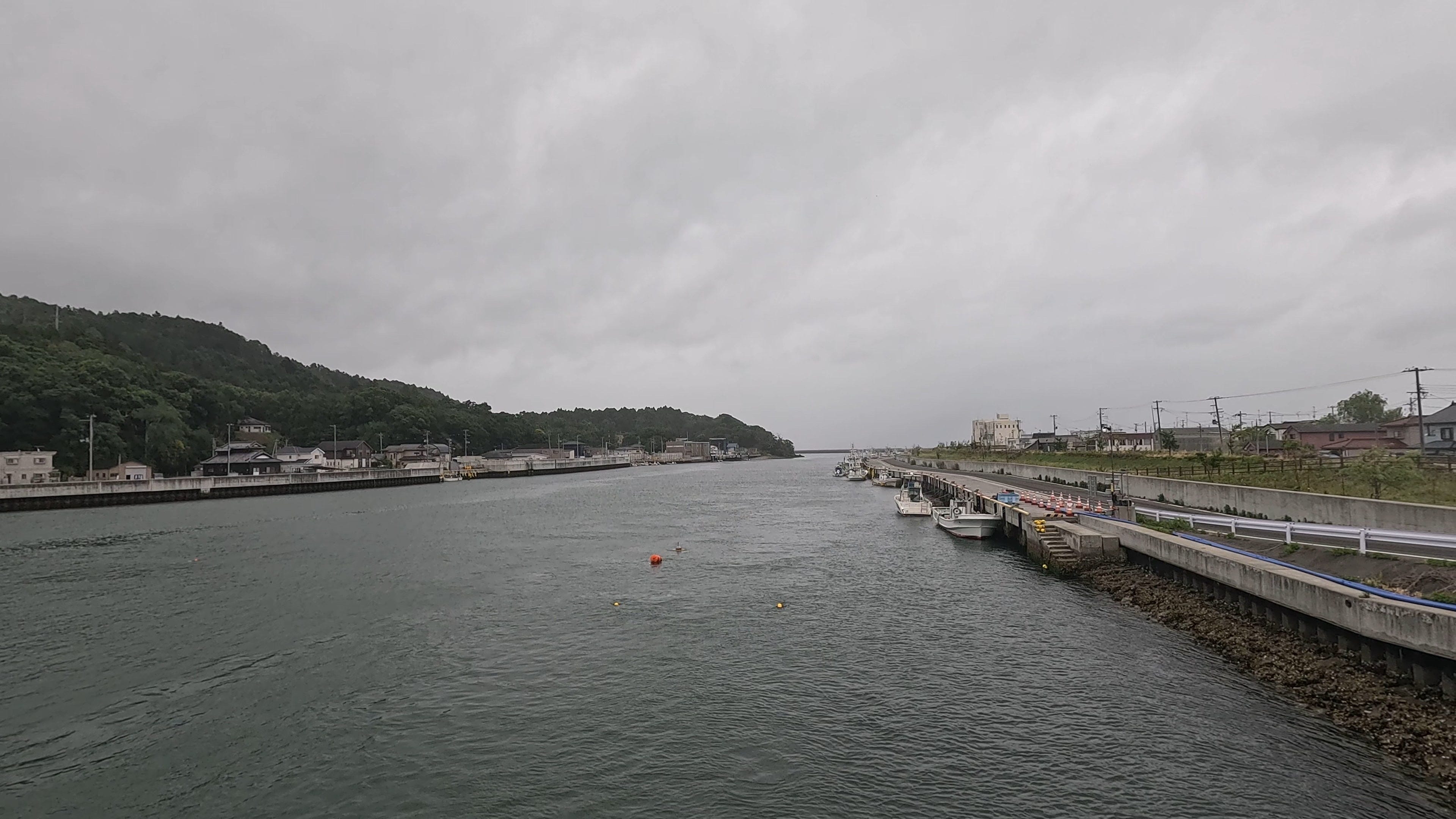
the wave reached heights of 7.6m or 25 ft
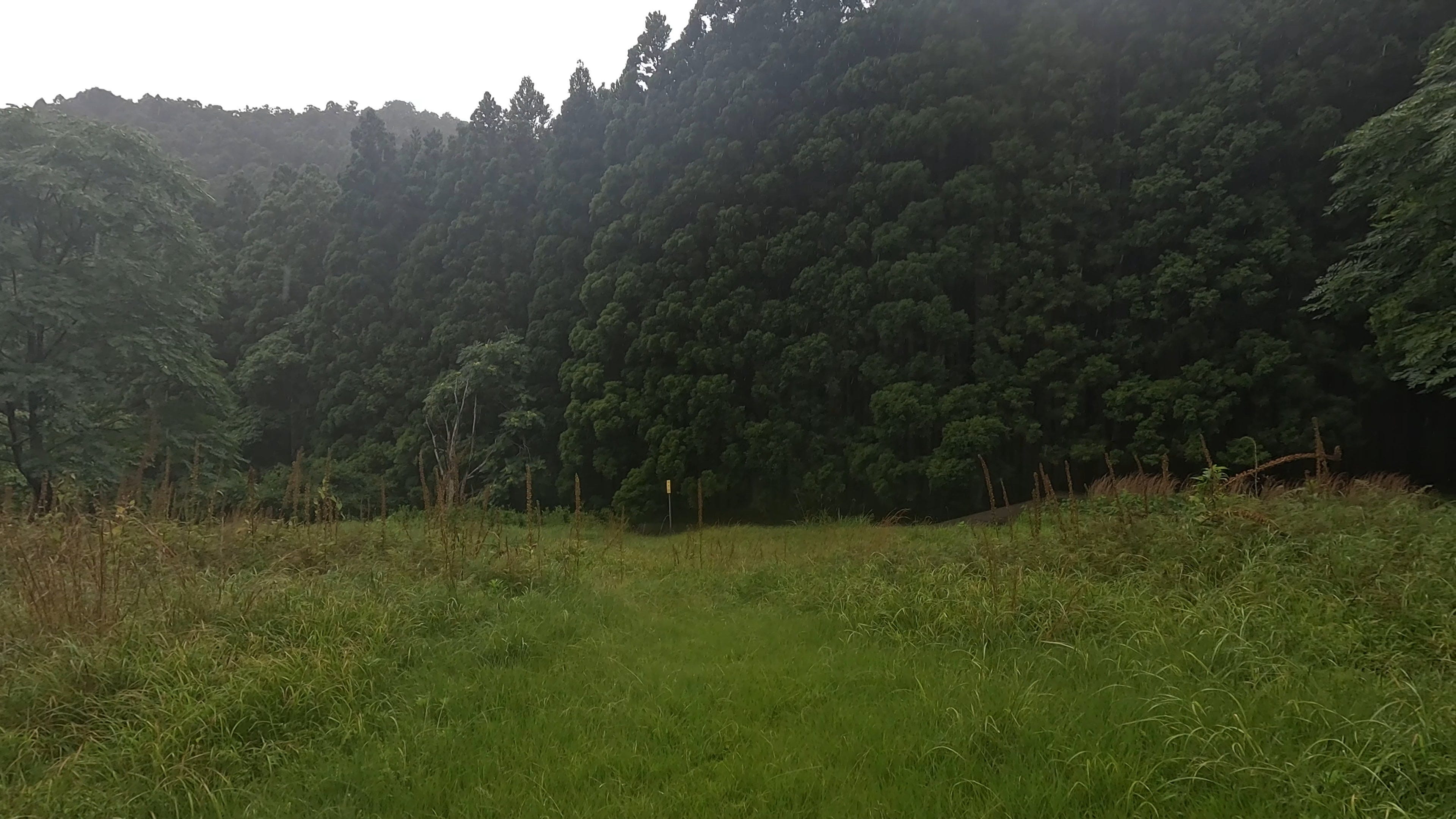
clouds roll in and I find the first real trail
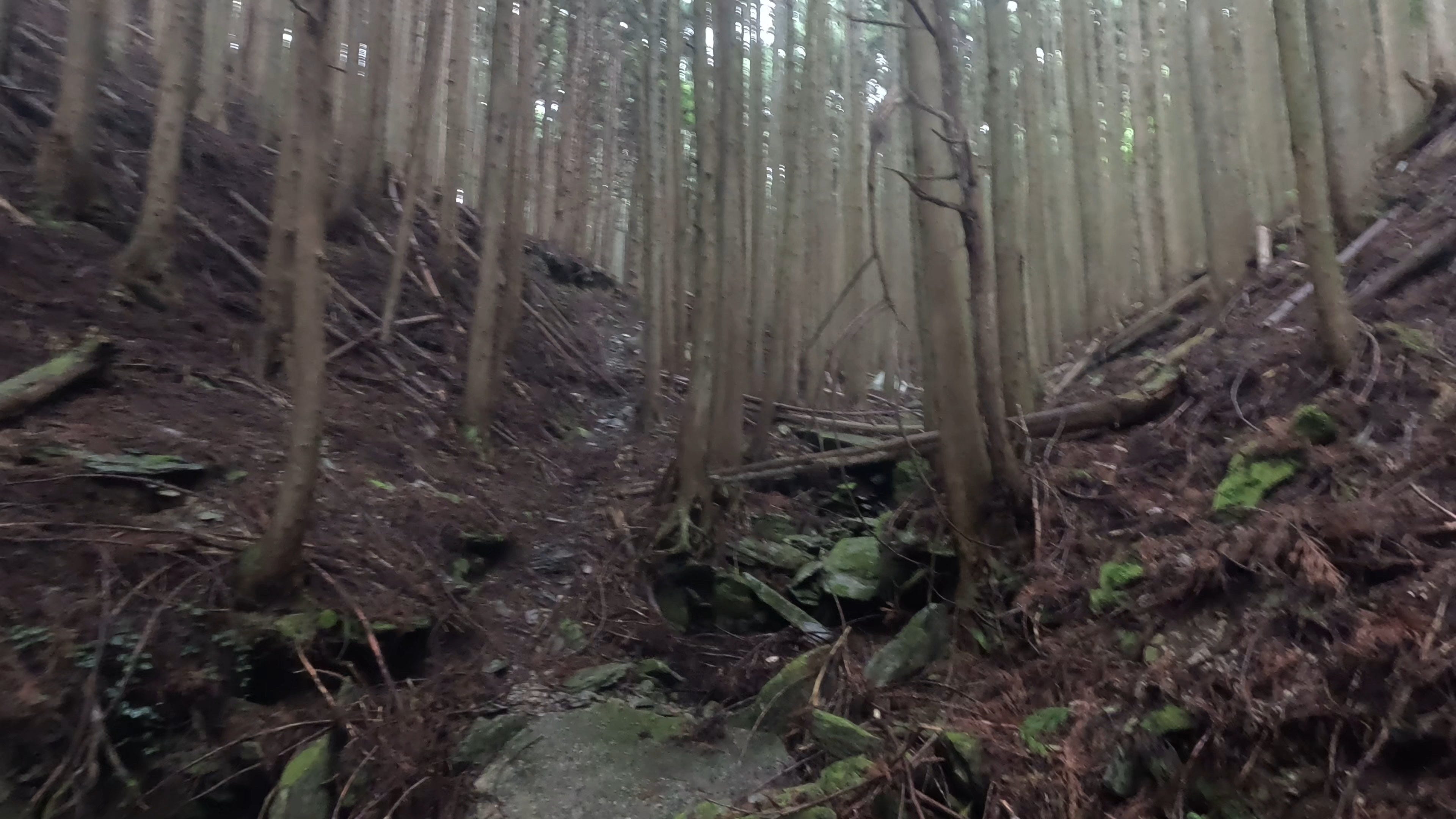
within minutes, rain is pouring and I get attacked by leeches! They are crawling all over my shoes socks and ankles. I frantically try to remove them all. They hold on tight
I have a flashback to A Series of Unfortunate Events. I haven’t thought about those books since I was a kid, but I used to be obsessed with them. Given my life now, it makes sense that I would’ve loved those books as a kid. I often like to organize adventures in nature as a series of unfortunate events
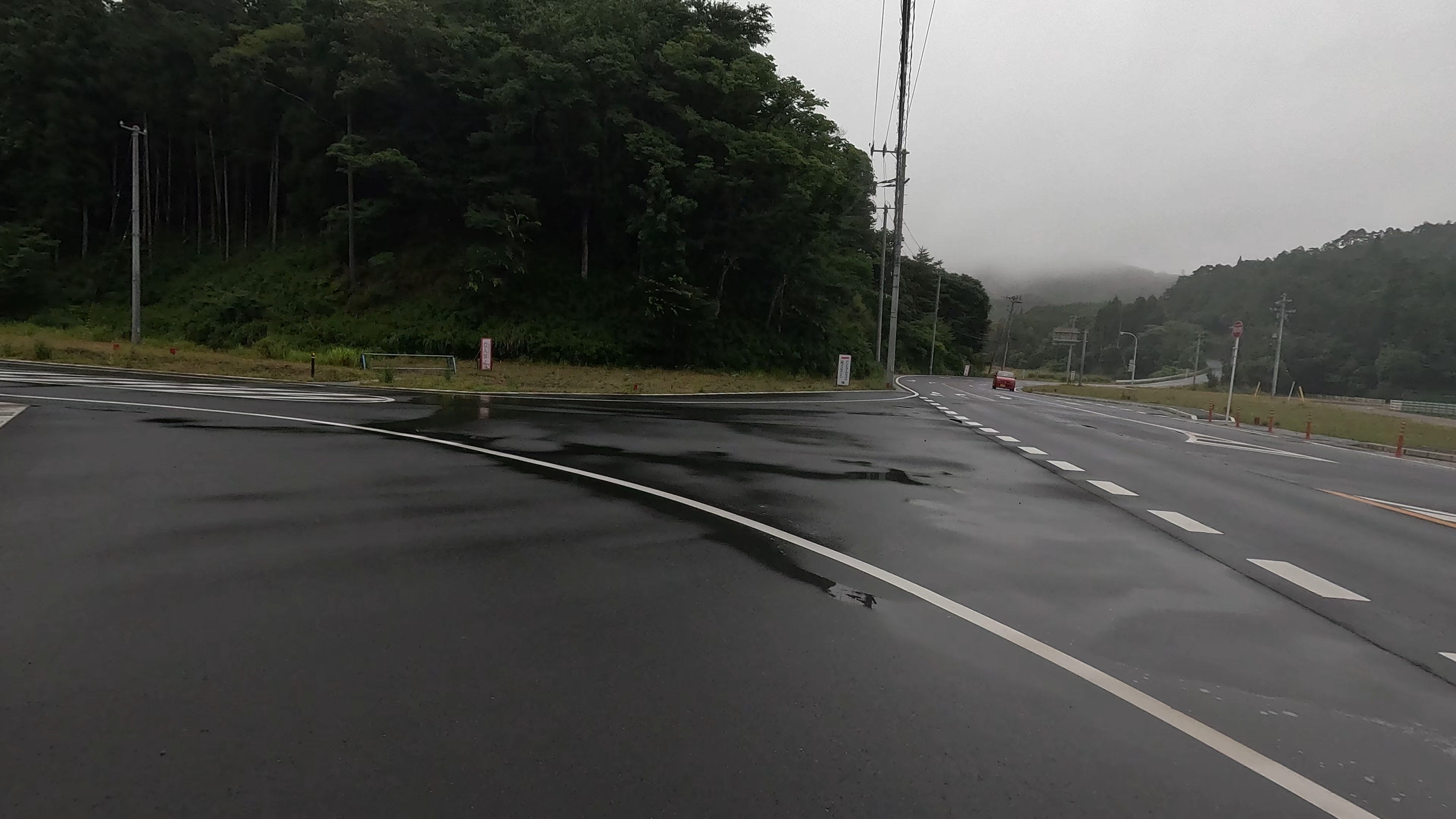
I finally escape the leech forest. The rain prevails
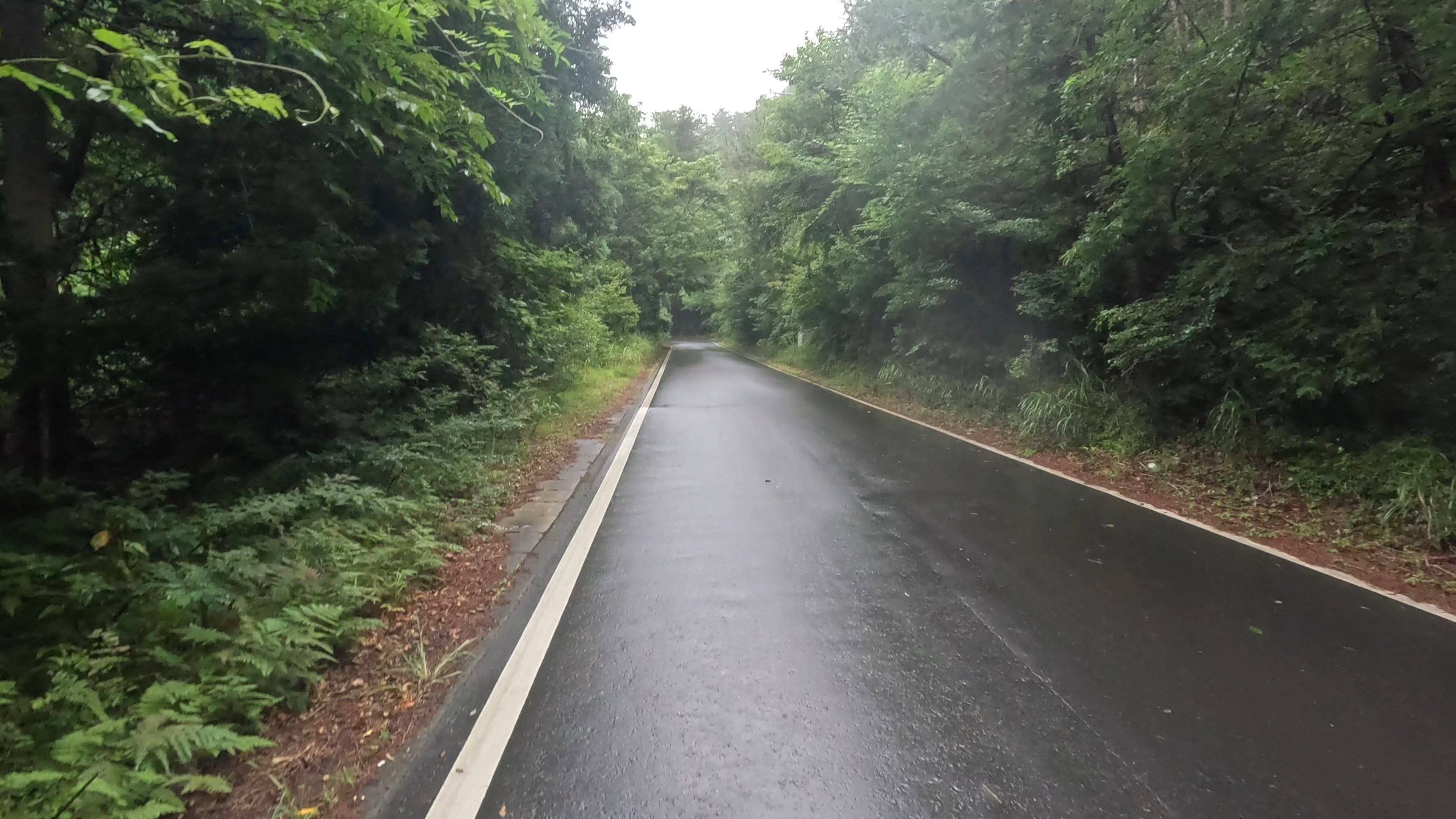
the wind picks up and I start to wonder if a storm is blowing in
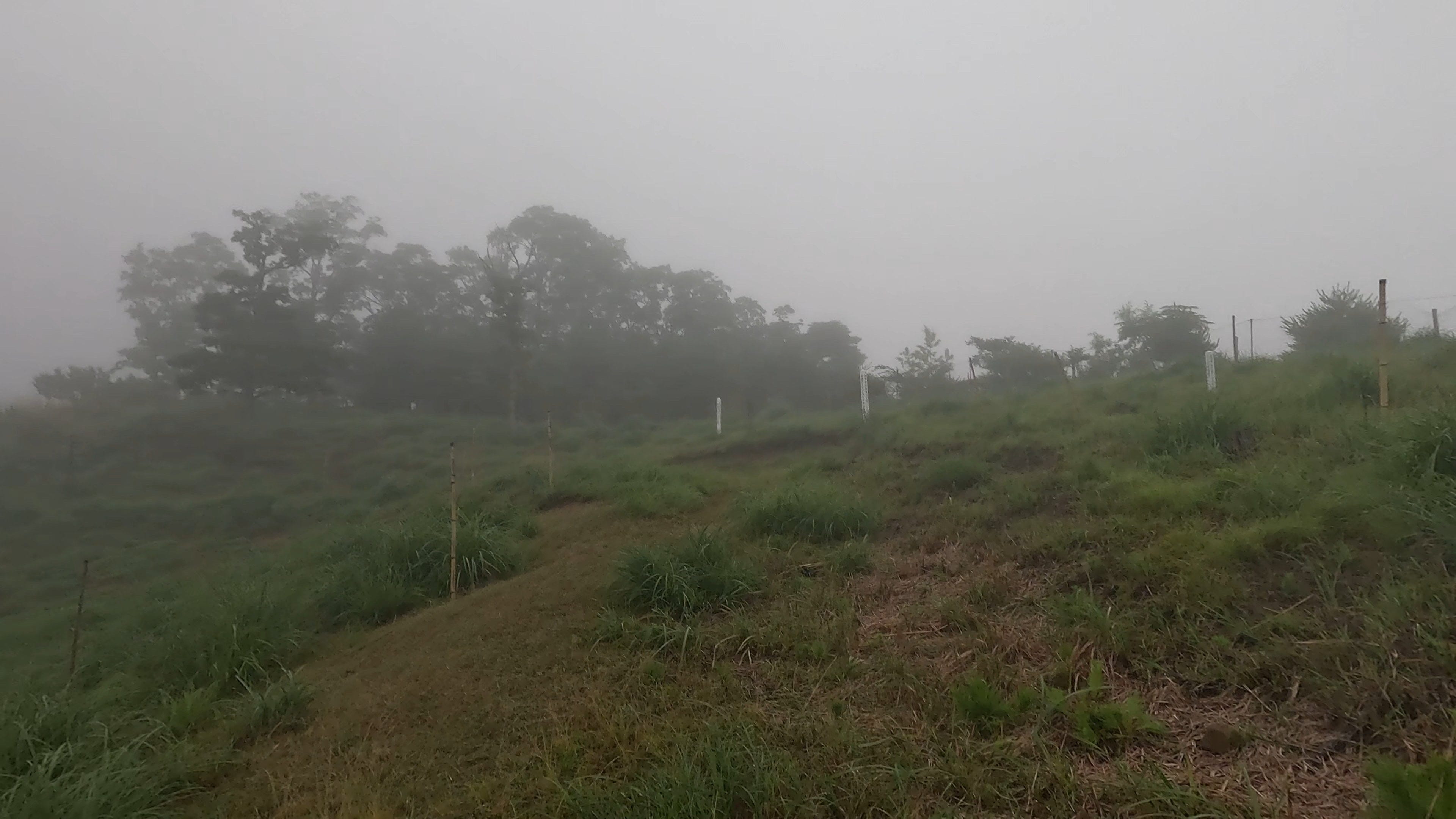
even though the trails of the Himalayas and Japanese Alps were steep and trying, I decide I prefer them to these overgrown bug and leech-filled rolling hills
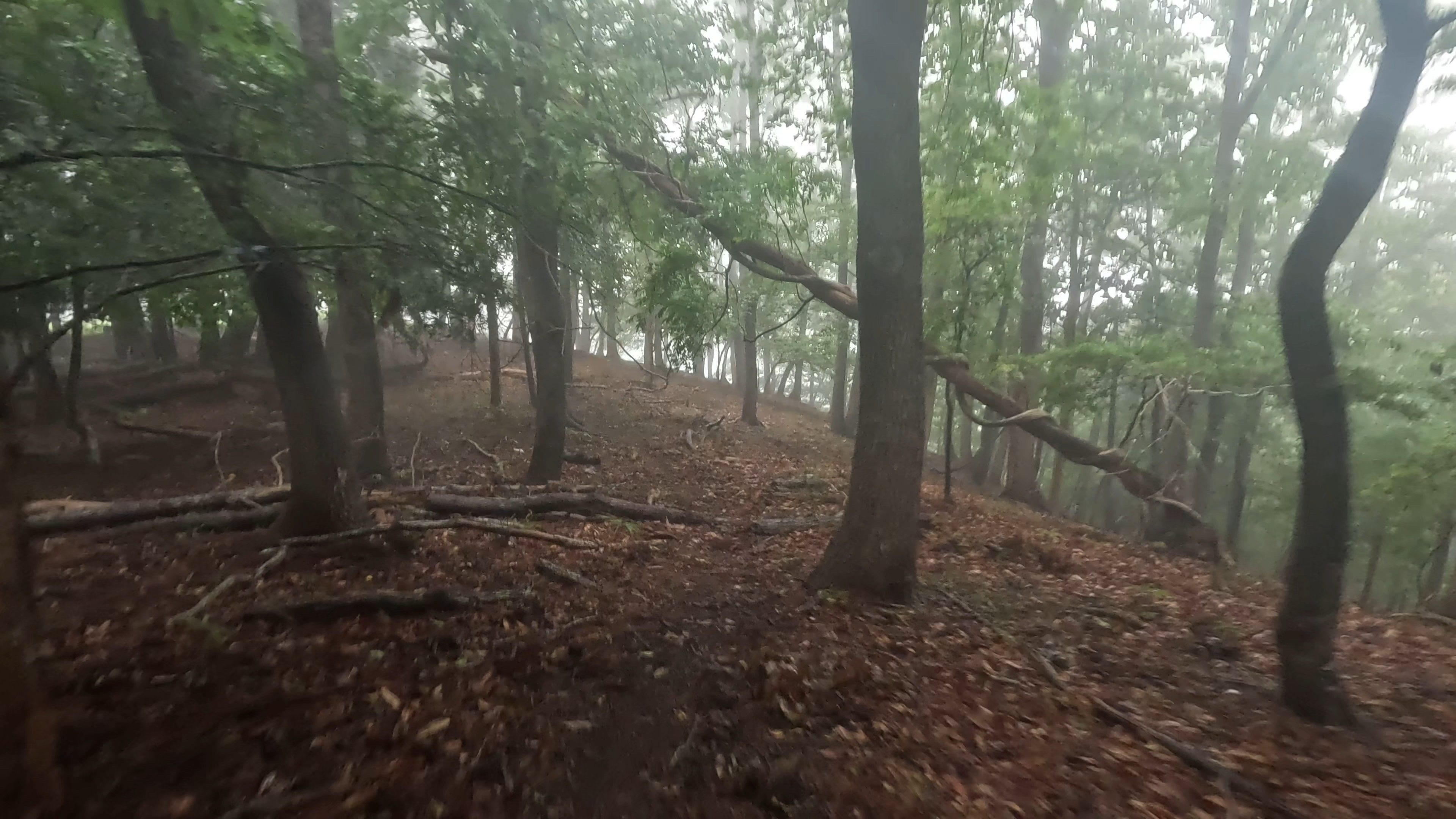
After emerging from the woods, I arrive in the small town of Onagawa and stop in the first shop I see. Another man enters at the same time as me from the opposite direction. He sees me drenched, without a raincoat, smiling wide, and has many questions.
In the cafe, he asks me about my hotel reservation. I tell him I don’t have one. He asks where I’m staying. I tell him I don’t know. I type into Google translate, “Can you recommend a place to stay?” He says, “Stay in my home!”
“Wow thank you!” I’m elated. I have never been inside a Japanese home, even though I ran past countless. Meanwhile, the wind and rain have picked up even more outside. I hear the word “Typhoon” on the tv.
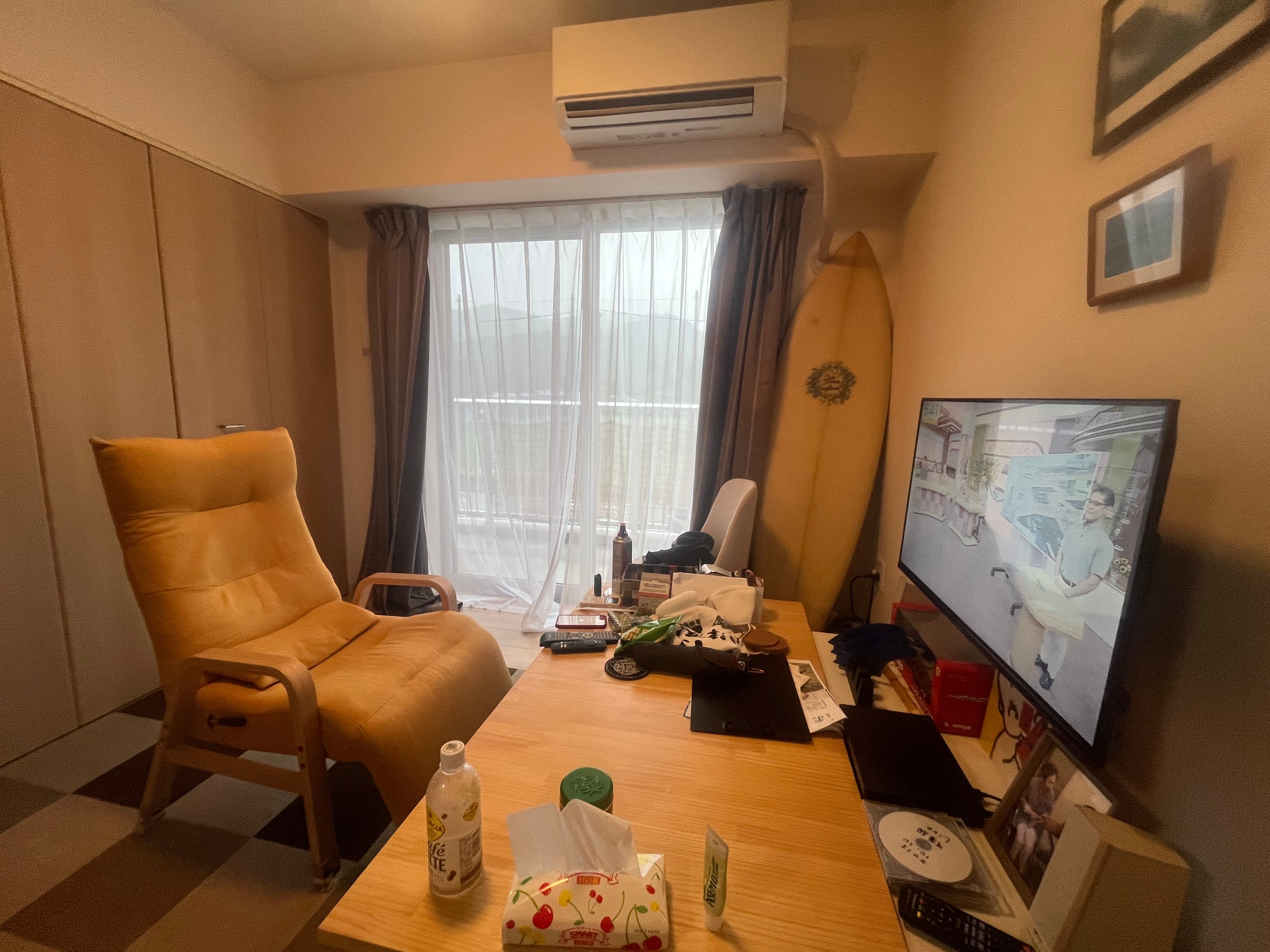
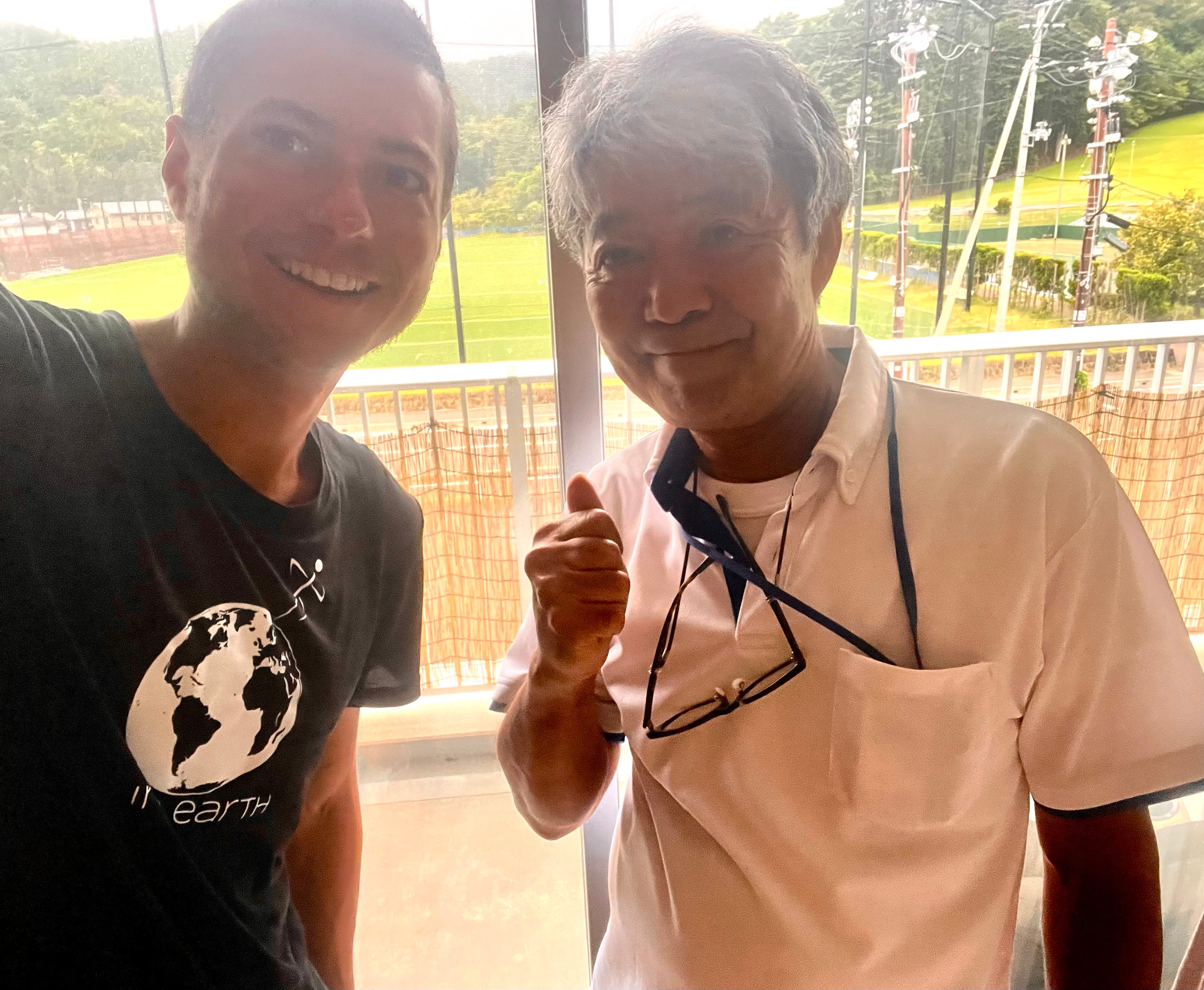
Nobayuki Koyama drives me to his house from the restaurant. He used to work for the American embassy in Tokyo and speaks some English. Now he works for a hospital in Sendai.
Koyama lives in government housing built for people who lost their homes in the tsunami. He tells me 600 people here died, but his mother survived and lived until 2021. He lights up when he speaks about his mother.
I ask Koyama if many people talk about the tsunami here. He says, some do and some don’t. Everyone was hurt, physically or mentally. Koyama lost his home and everything inside it.
He tells me he was married twice. He has a son but hasn’t seen him in 15 years. “My life is my own!” I take that as a signal not to ask more questions but note that the tsunami was about 15 years ago. Some things get lost in translation, but some things get simpler in the presence of a language barrier.
Koyama offers to cook me dinner, even though I just ate at the cafe. I accept because I have unlimited room in my stomach. He personally doesn’t usually eat dinner. He cooks sausage and chicken.
He tells me he is a musician. He shows me YouTube videos of his band performing in the cafe where we met. He loves John Lennon. I fall asleep and he stumbles to the closet to get the futon out for me. “I drink too too much. I am so happy,” he says with a frown on his face.
I am sorry for the pain he drinks away. Tonight he is not alone. I can be glad for that.