

Kamaishi
Japan Day 21

Overview
I have a personal project of running 1000 miles on every continent. On May 27, I started running through the Indian Himalaya mountains inspired by the “Great Himalayan Trail” (GHT), a concept of linking the Himalayas together in one thru hike. In 24 days, I covered 379 miles, the great majority of which above 3400m. On June 29, I started running through Japan in Part 2 of 2025’s production of I Run Earth in Asia.
Why am I doing this? To see what I can do, see the earth, and raise money for charity! My runs have raised over $20K for charity since 2024. In this run, I chose to support Rise Against Hunger, which provides school feeding programs across the world. Learn more and donate to Rise Against Hunger here.
Day 21: July 19 Kamaishi
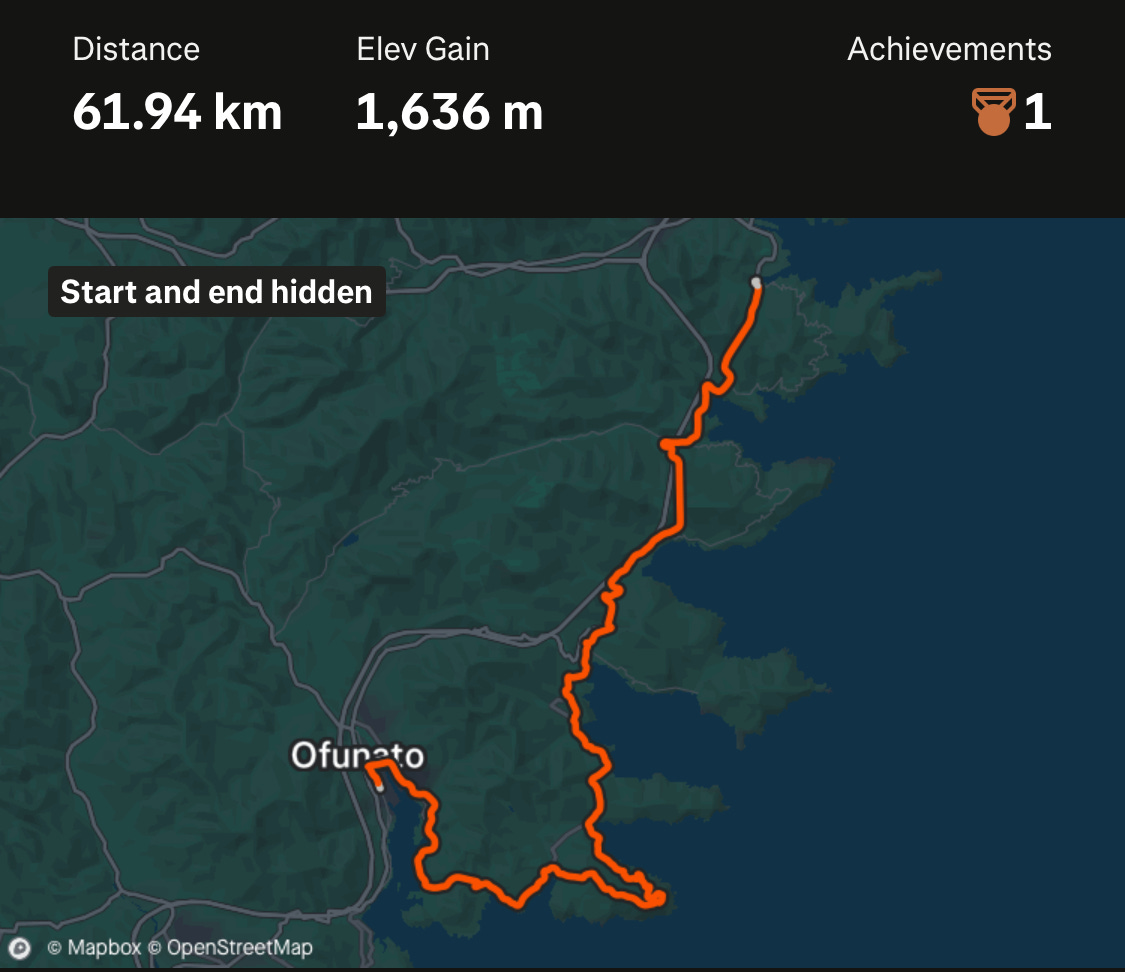
Total Asia Miles at the end of the day: 916
With the finish line in sight, I ride my final days in Japan on a high. It helps too that the coast gradually gets more beautiful as I go further north
I wake up in my fancy hotel room and hit the road
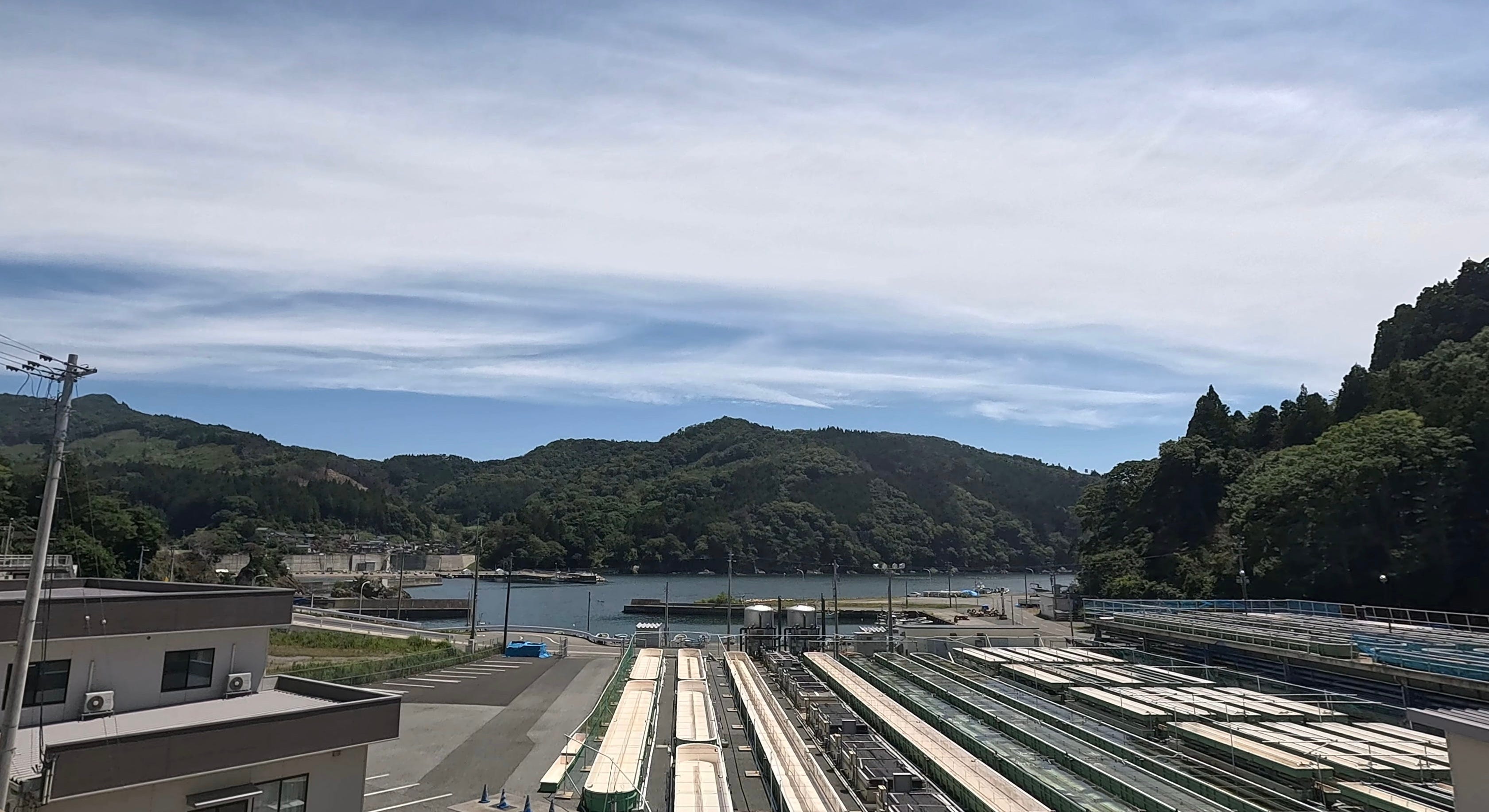
While there are naturally pristine sections of the coast, I continue to be surprised by how industrial much of it is.
Curious to understand more about Japan’s ocean culture, I went down a rabbit hole and stumbled across the extraordinary story of John Manjiro. During Japan’s isolationist era, trade was restricted to the point that government specifications for the construction of fishing vessels intentionally made them unfit for ocean navigation.
Five Japanese fishermen, however, including a 14 year old John Manjiro ended up in Honolulu in 1841. Their fishing boat was wrecked on the remote island of Toroshima. By a great stroke of luck, an American whaling ship, the John Howland, found the poor teenagers on the island months after they’d been marooned there. The ship took them back to Honolulu, and Manjiro had been so curious that the captain of the ship decided to bring him back to Fairhaven, Massachusetts in 1843. He is thought to be the first Japanese person to reside in the U.S.
Manjiro flourished in the US, attending the Bartlett School and being welcomed by the community of Fairhaven. But, he missed his mother and always wanted to return to Japan. The problem was that during the isolationist era, leaving Japan was considered an act that could be punishable by death.
Manjiro was willing to take his chances though. He worked for years on whaling ships and then struck gold during the 1849 gold rush in California. This gave him enough money to finally return to Japan in 1850. Upon returning Manjiro was detained and questioned for two years. Finally, in 1852, 11 years after his shipwreck, he returned home to his mother.
When Commodore Matthew Perry arrived in 1853, Manjiro became an important figure because he could speak so easily with the Americans. He was awarded samurai status and advised the Japanese government over the course of his life.
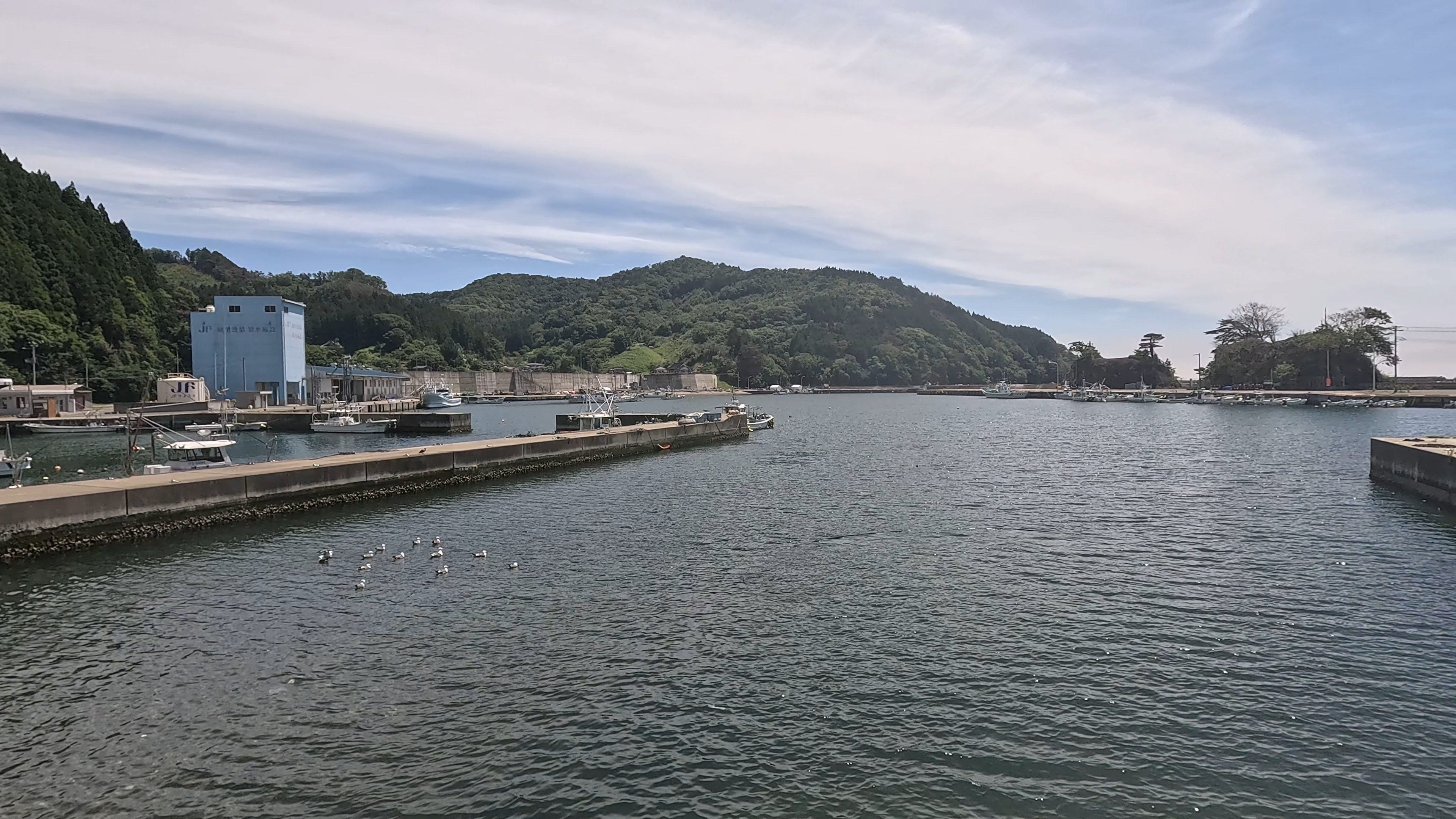
fishing ports galore
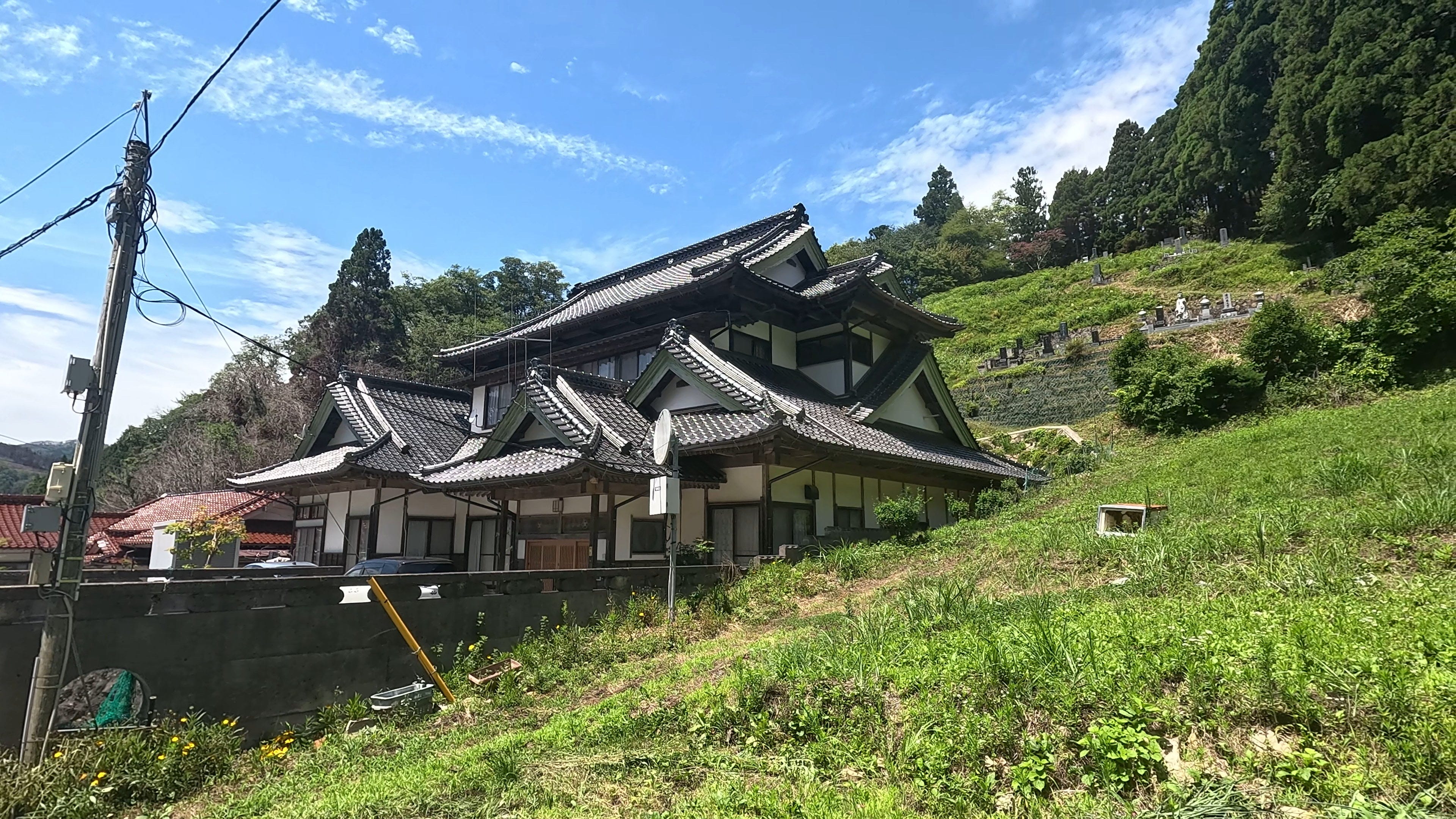
Japanese roofs 💯
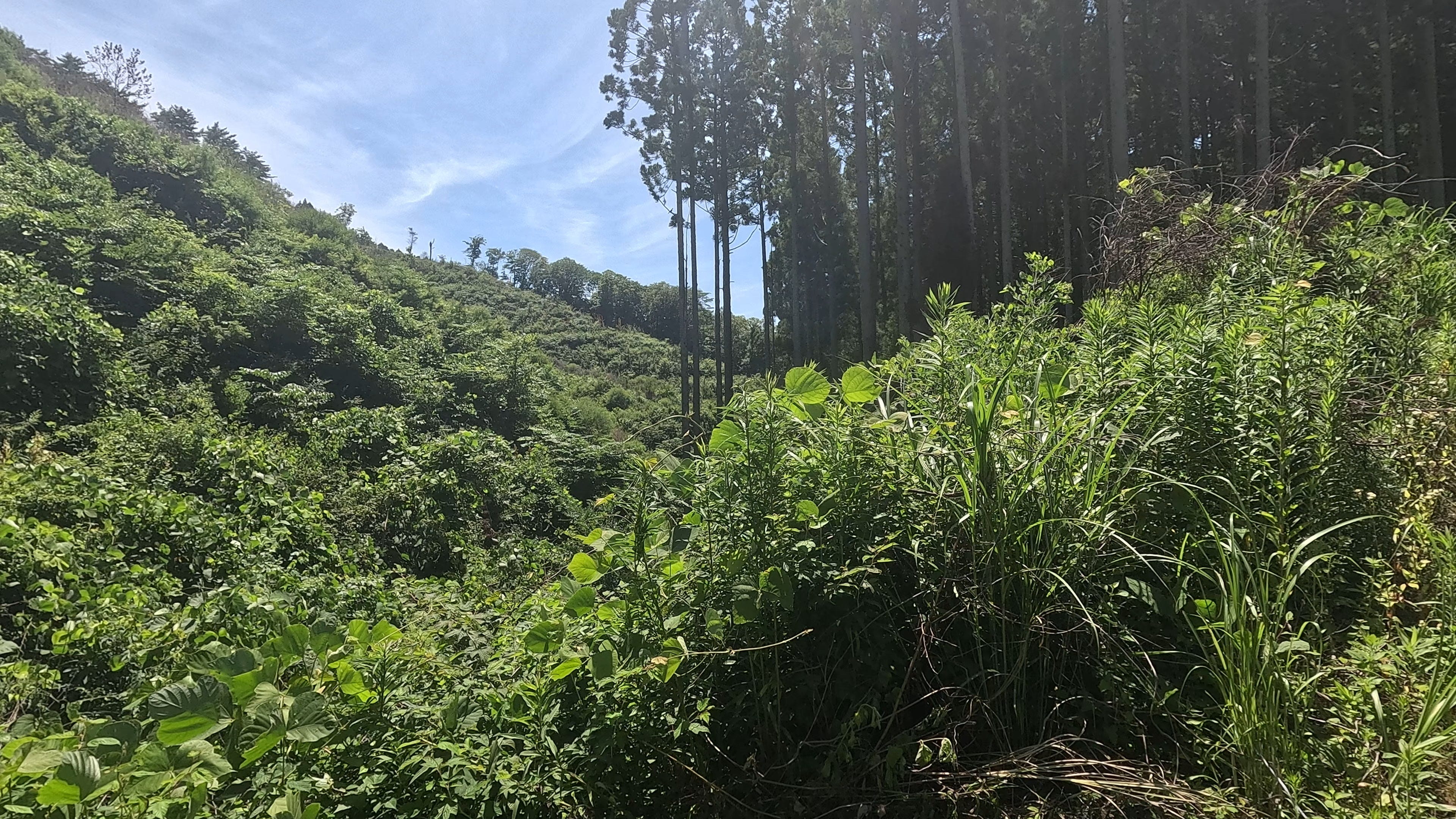
Into the forest
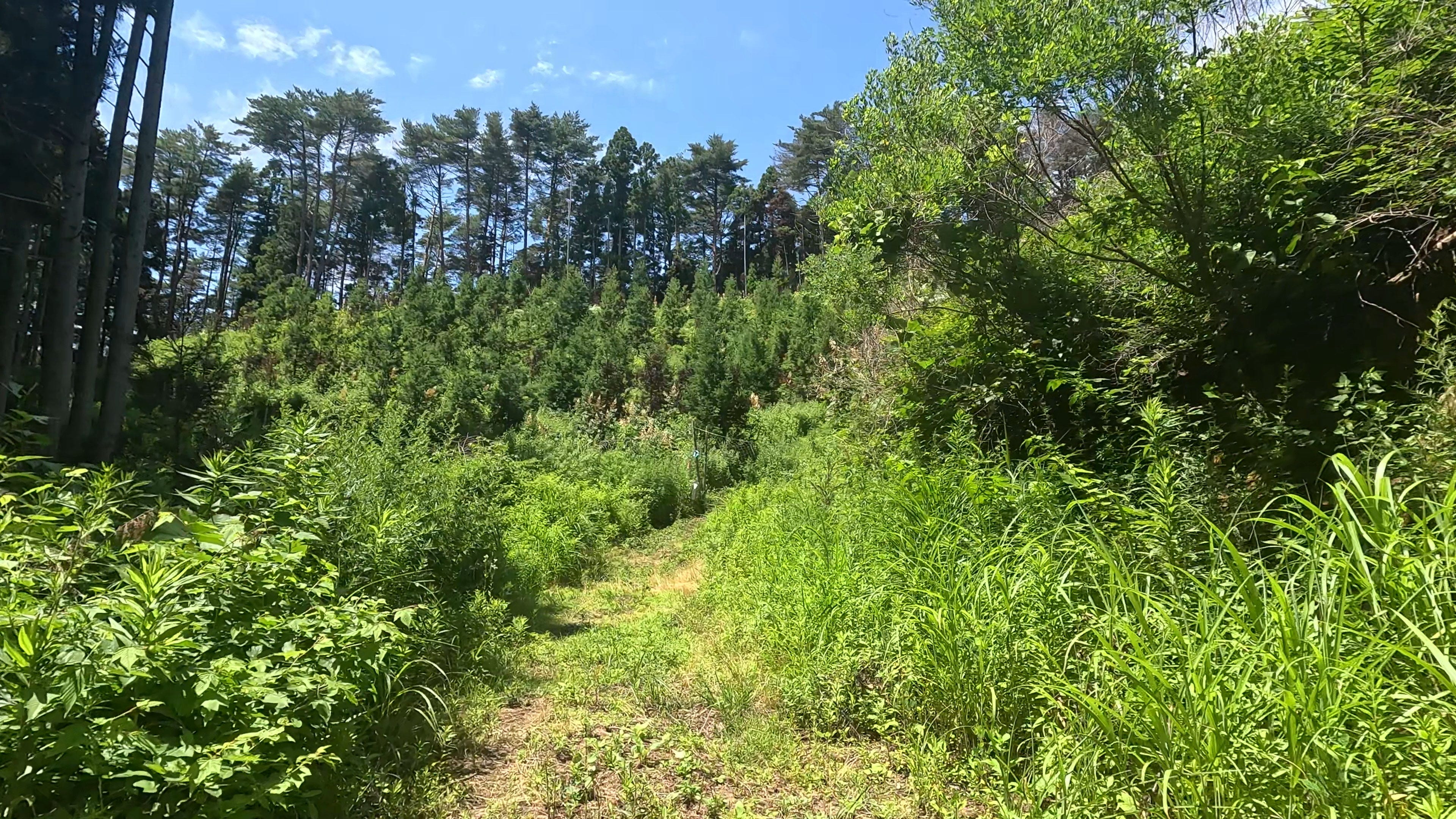
Pretty trails, not too may spider webs
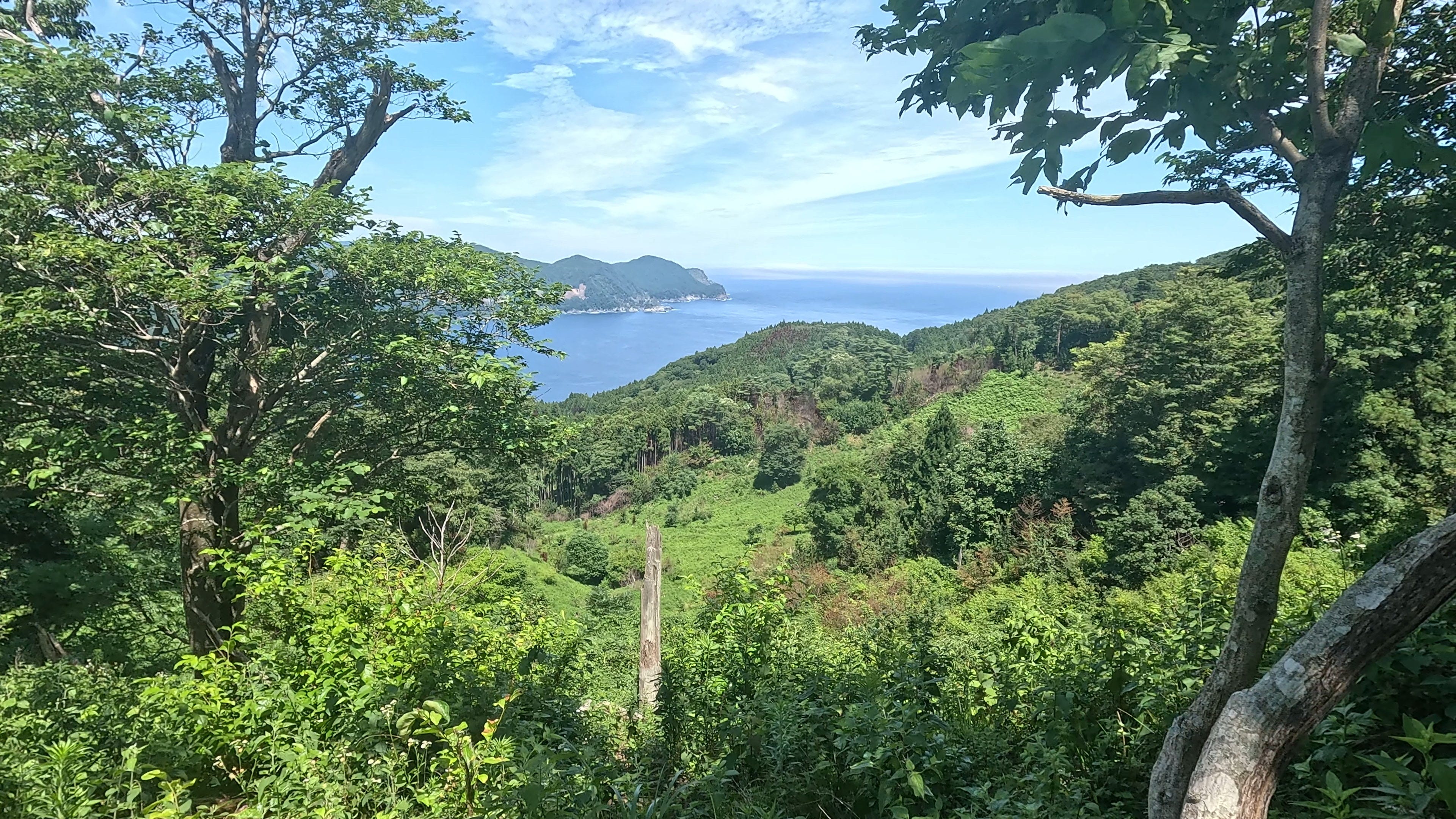
I get up to a ridge and enjoy running the gentle rolls
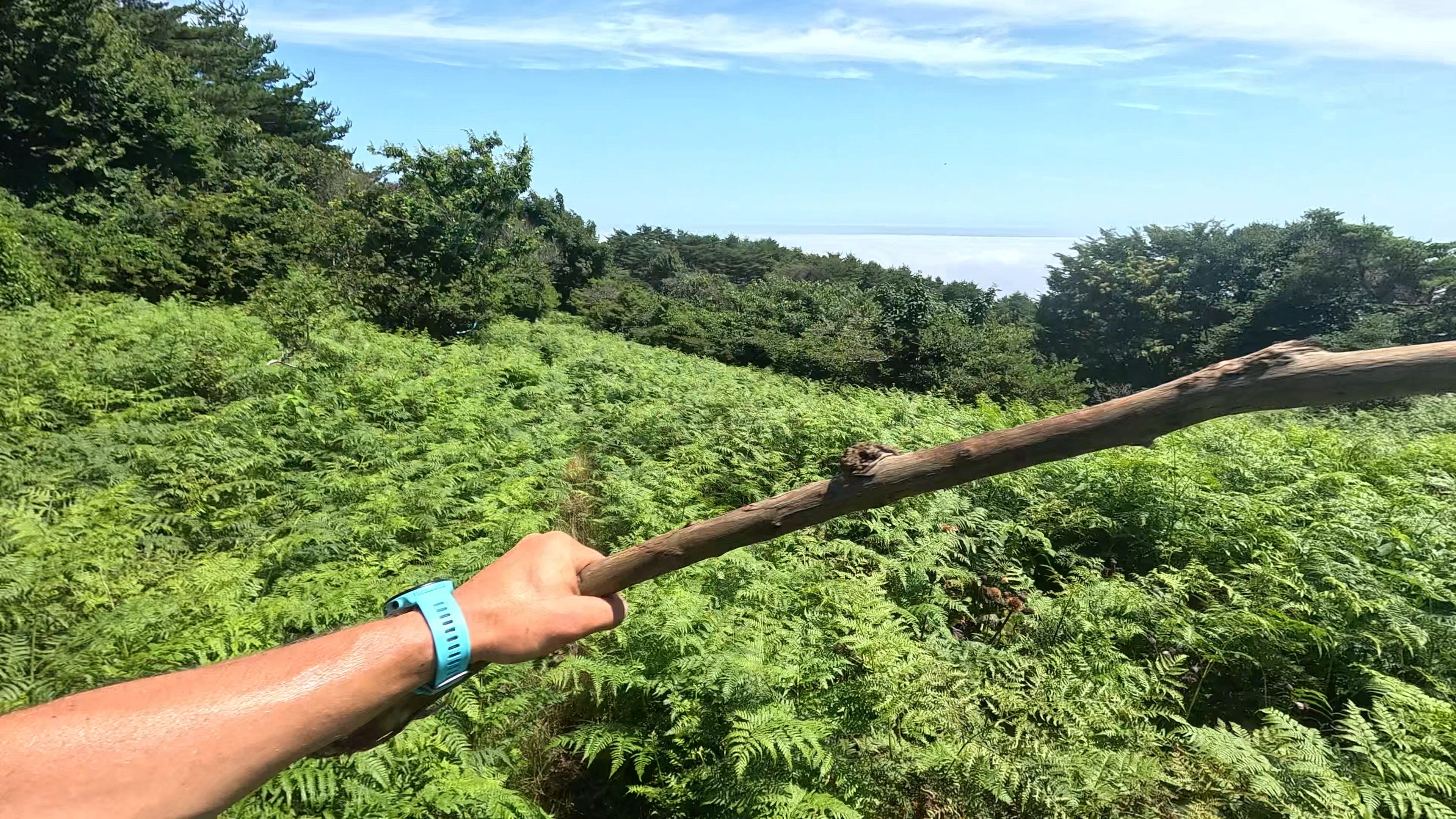
“If you don’t whack the bush, the bush whacks you”
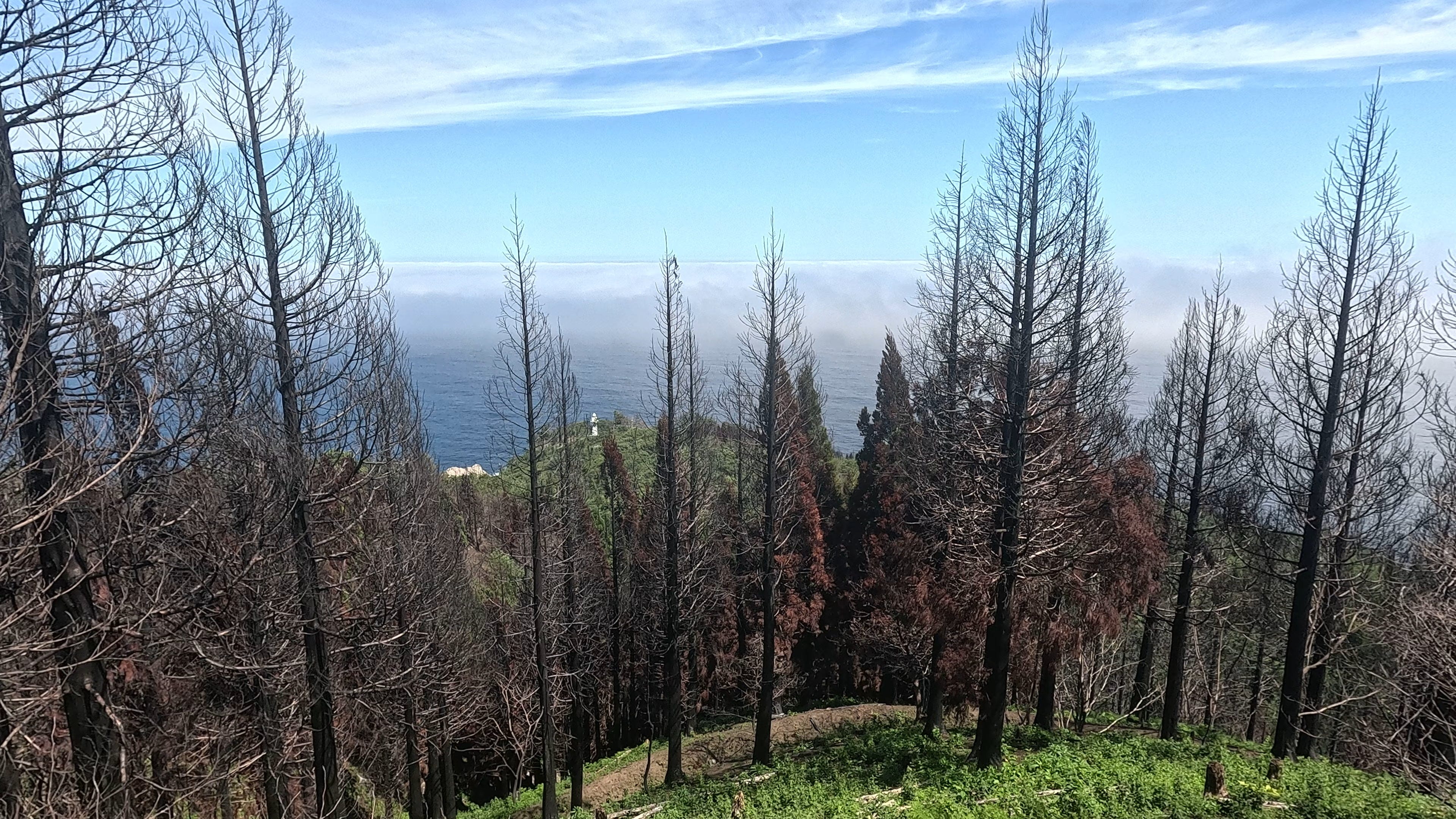
Perhaps a blight or beetles killed these trees?
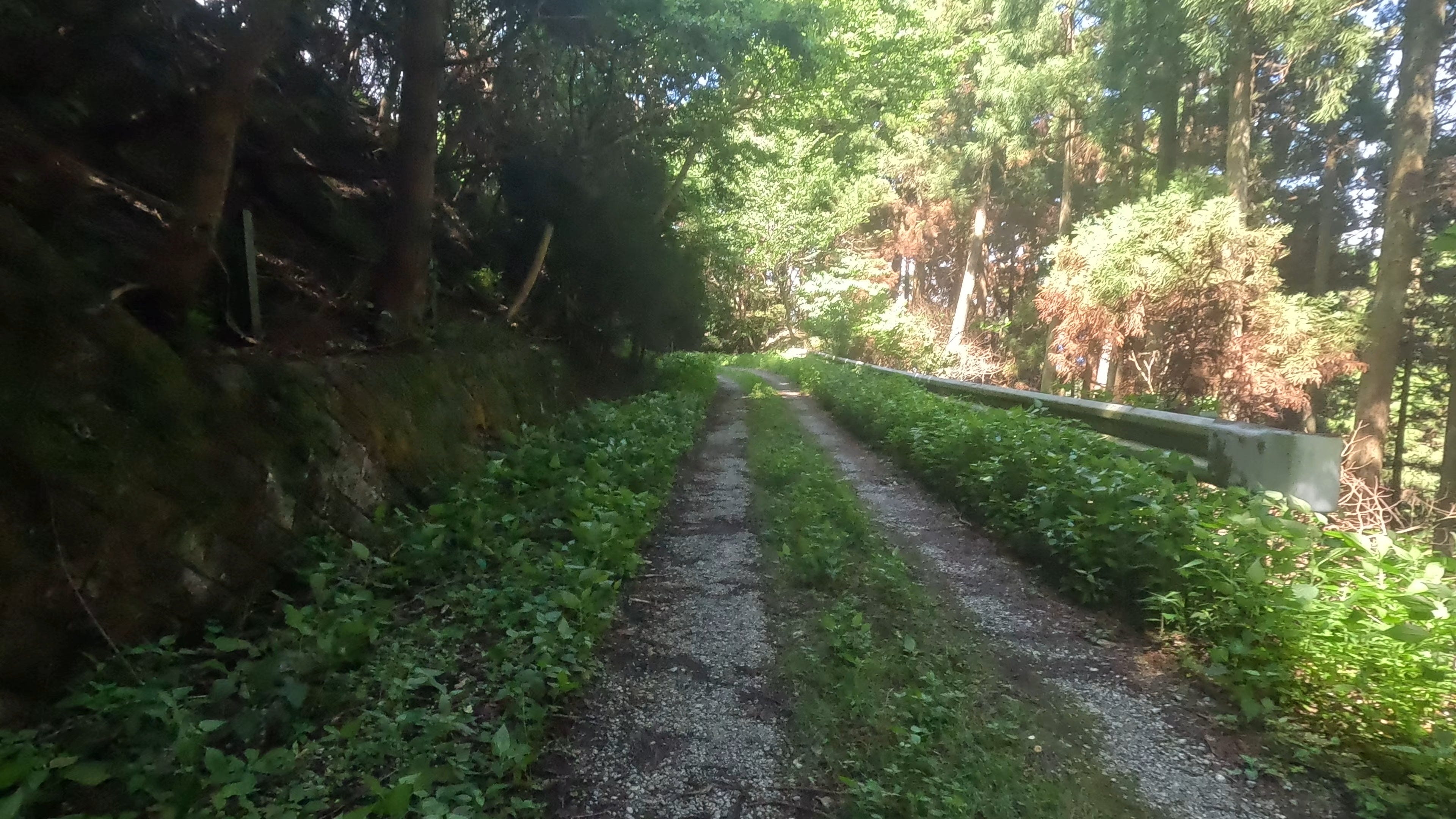
This was a fun downhill
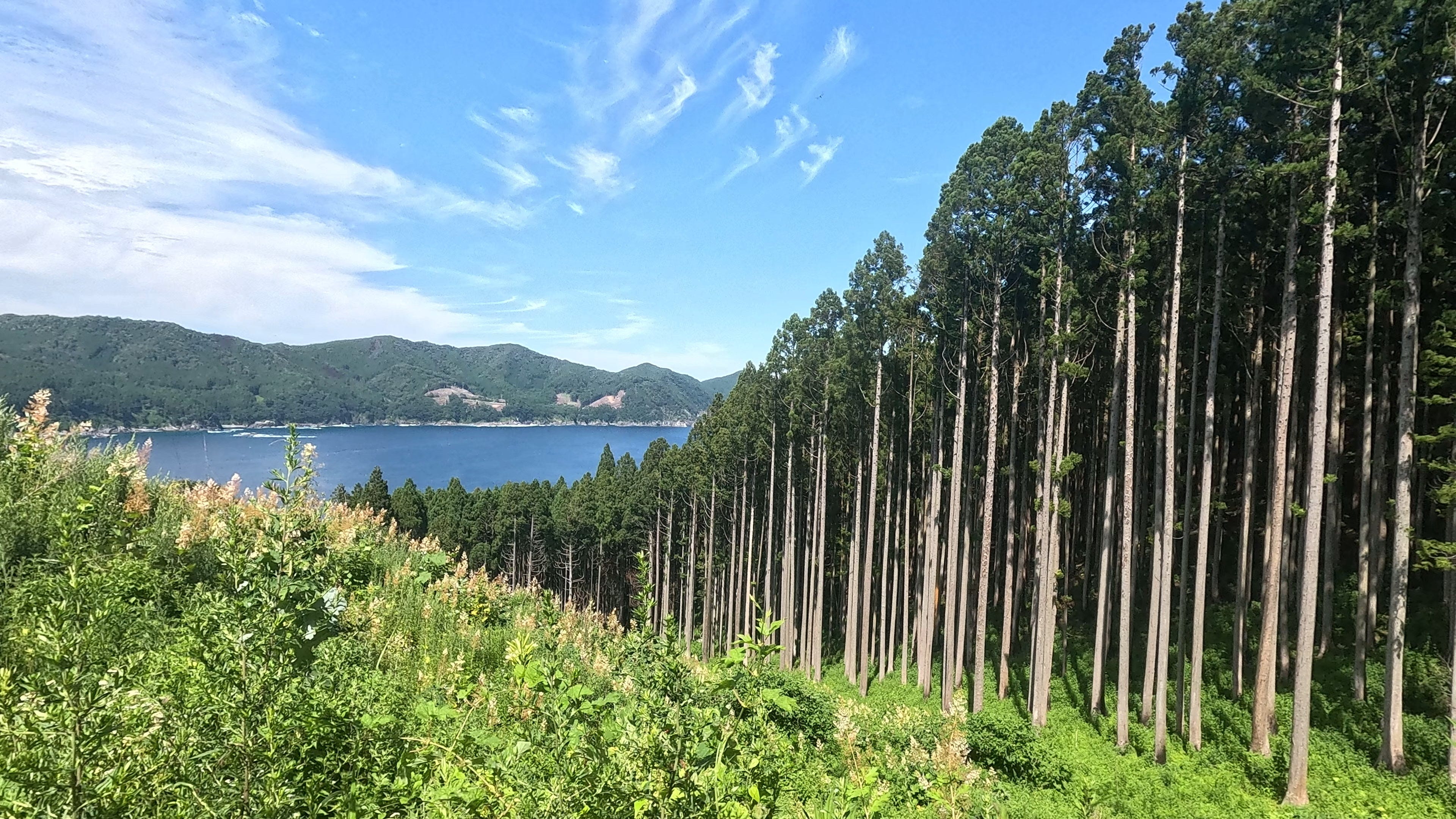
It occurs to me that I haven’t written much about running itself on this adventure, even though I have never loved running more. This is my first 1000 mile run with 0 injuries (✊ on 🪵) and my fastest. Here are some things that come to mind when I think about how my style has evolved:
Vary speed. In the absence of social pressure to run even splits, I have gone in the completely opposite direction. Now I treat each speed as a different sport that can allow me to recover from the other speeds. People often give the advice to go slower than you think you should during ultramarathons. I think that’s true but I also found that I could go way faster than I thought I could. None of my runs were fast overall, but my body felt great most of the time.
Push harder downhill. There is no doubt that downhill is the most efficient terrain to delete miles.
Distract yourself. In the backcountry, I’ve been distracted by pretty flowers. In civilization, I’ve distracted myself with phone calls. This makes me less likely to do something self-destructive like push my body to run even faster out of boredom.
Electrolytes (salts). I think I’m late to the party on this one. I always used to drink water. No más.
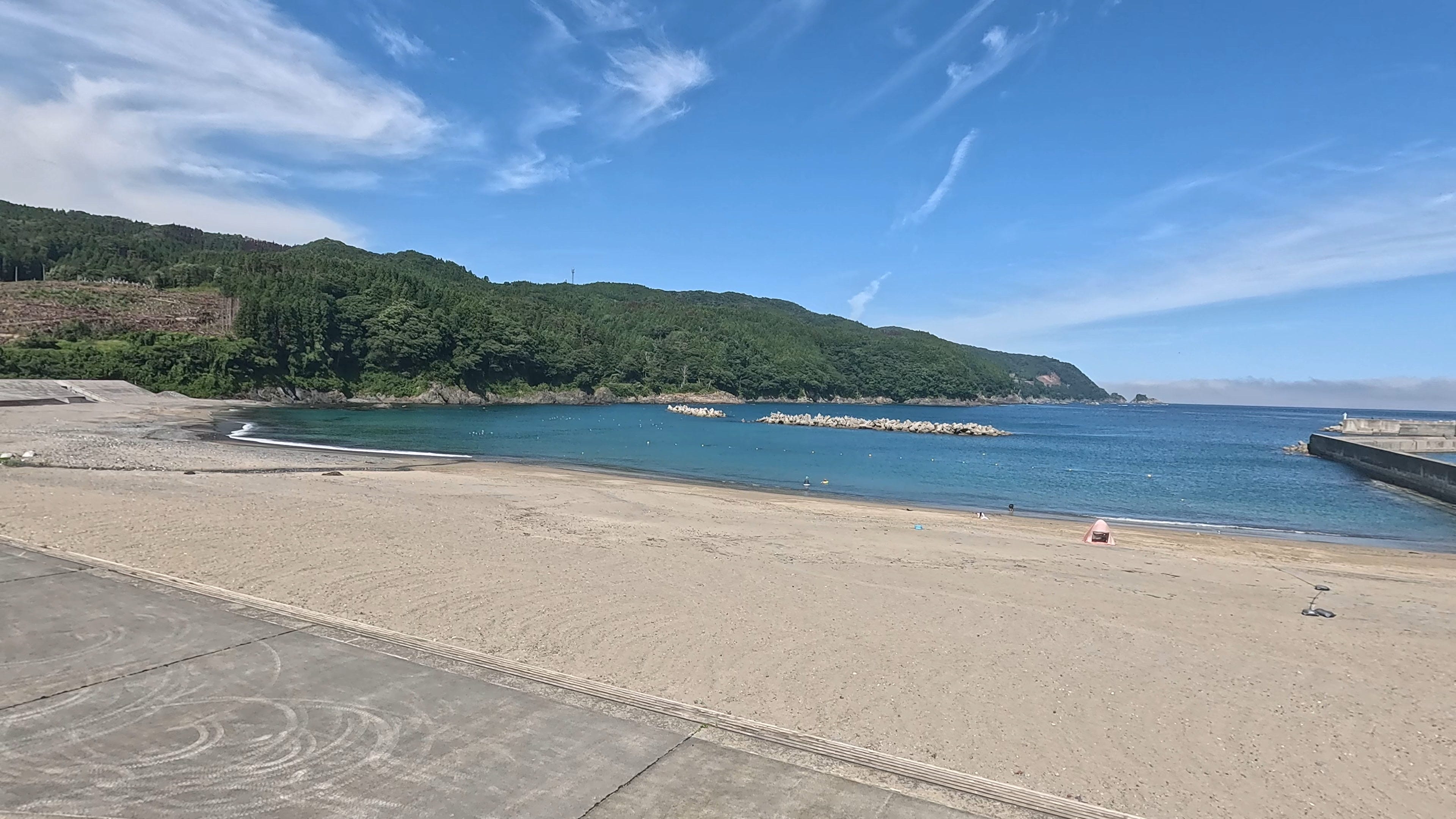
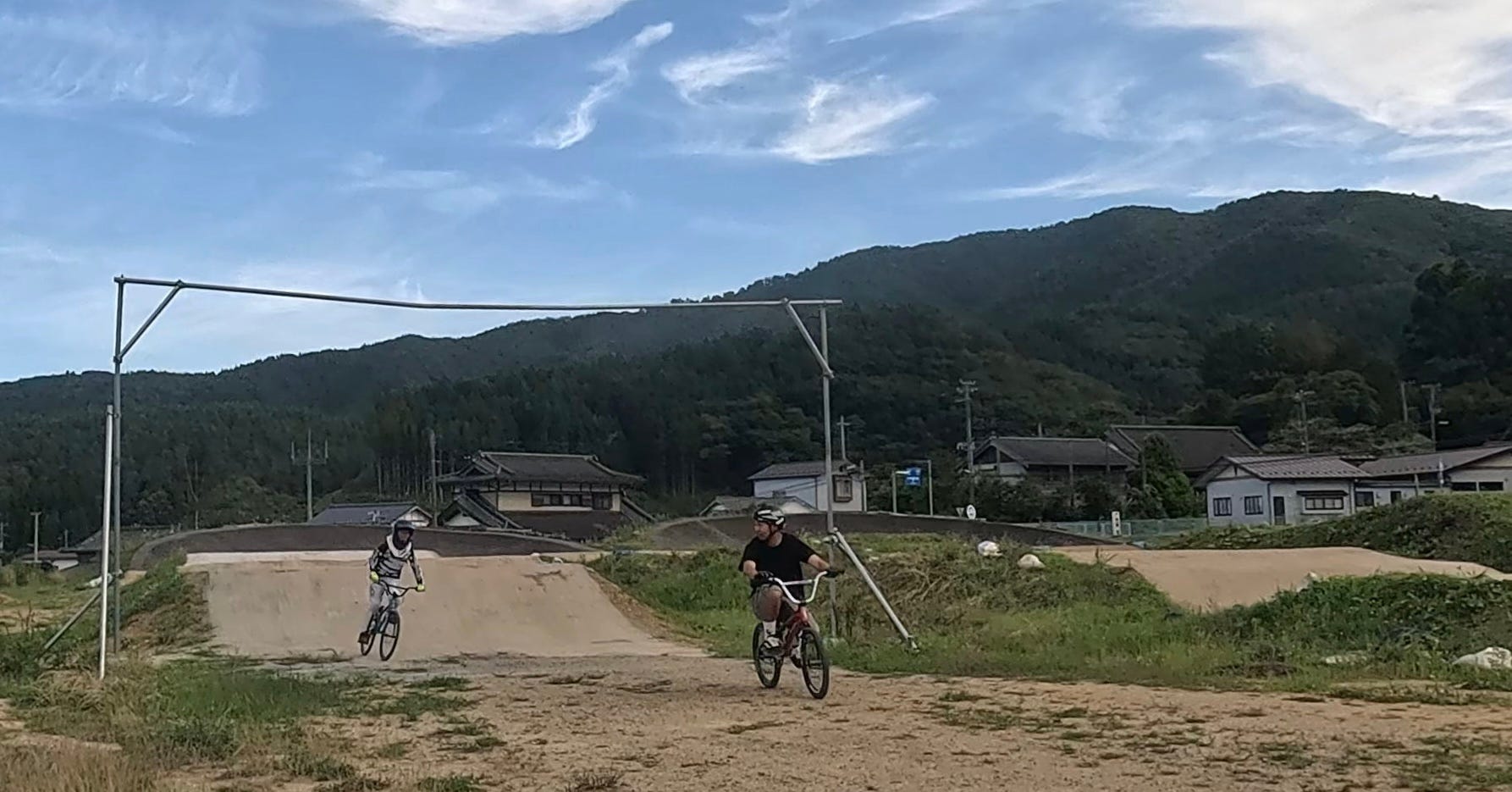
I pass a middle school where kids do BMX practice
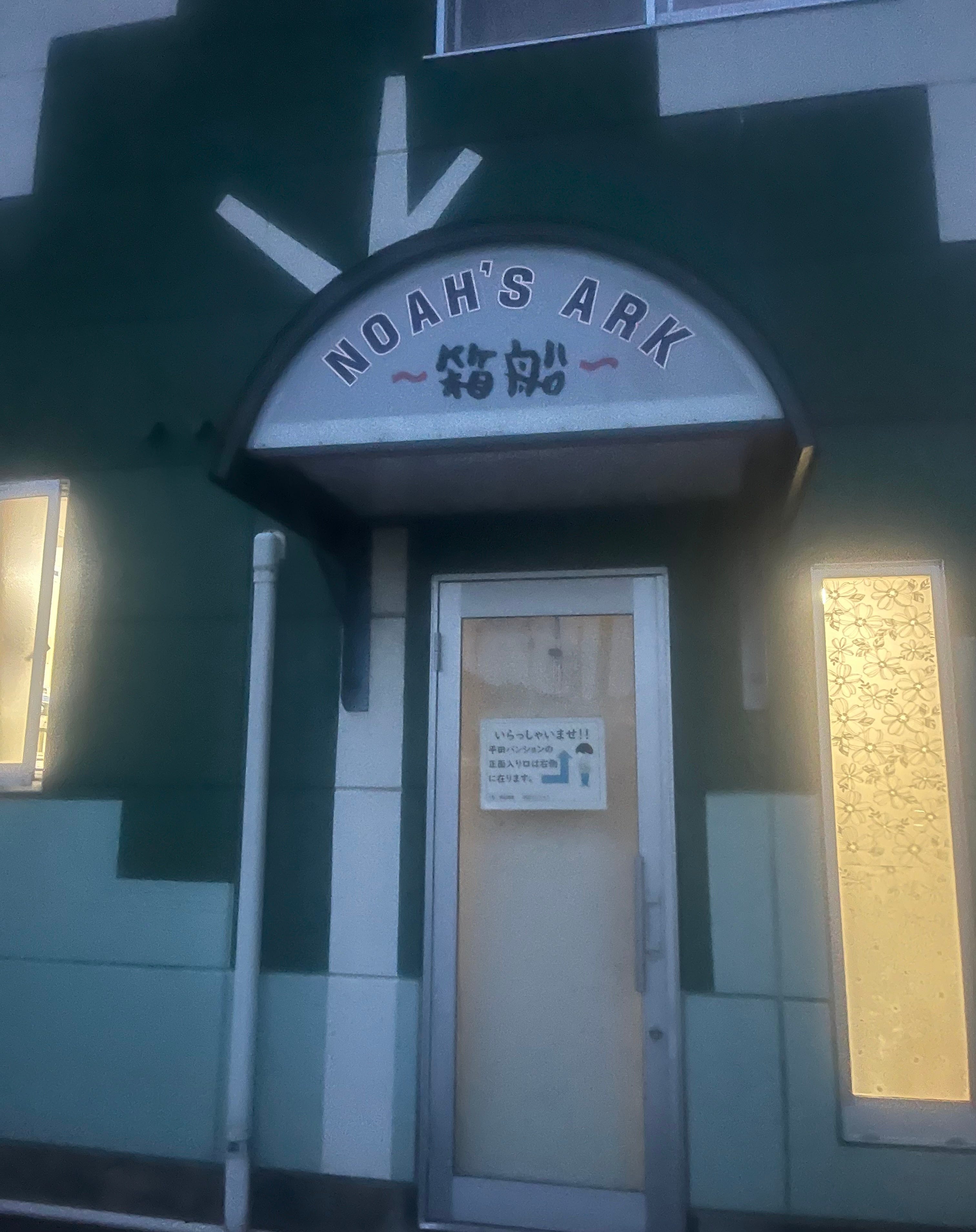
after such a great hotel stay the night before, I decide to try my luck at a hotel again. Unfortunately, no available rooms.
“Noah’s Ark.” Is that a tsunami reference?
When the hotel turns me away, I walk to a convenience store and eat dinner. Around 10pm I leave to go look for a discrete place to camp.
within a minute of walking out the door of the convenience store, a man pulls up his car to me. I recognize him from the checkout line…
Driver: where are you going?
Me: I have a tent. I will camp.
Driver: where?
Me: I see a Buddhist temple on the map. I will try there
Driver: you can’t camp there. You camp at my house!
Me: oh thank you!
Driver: ok good! Get in!
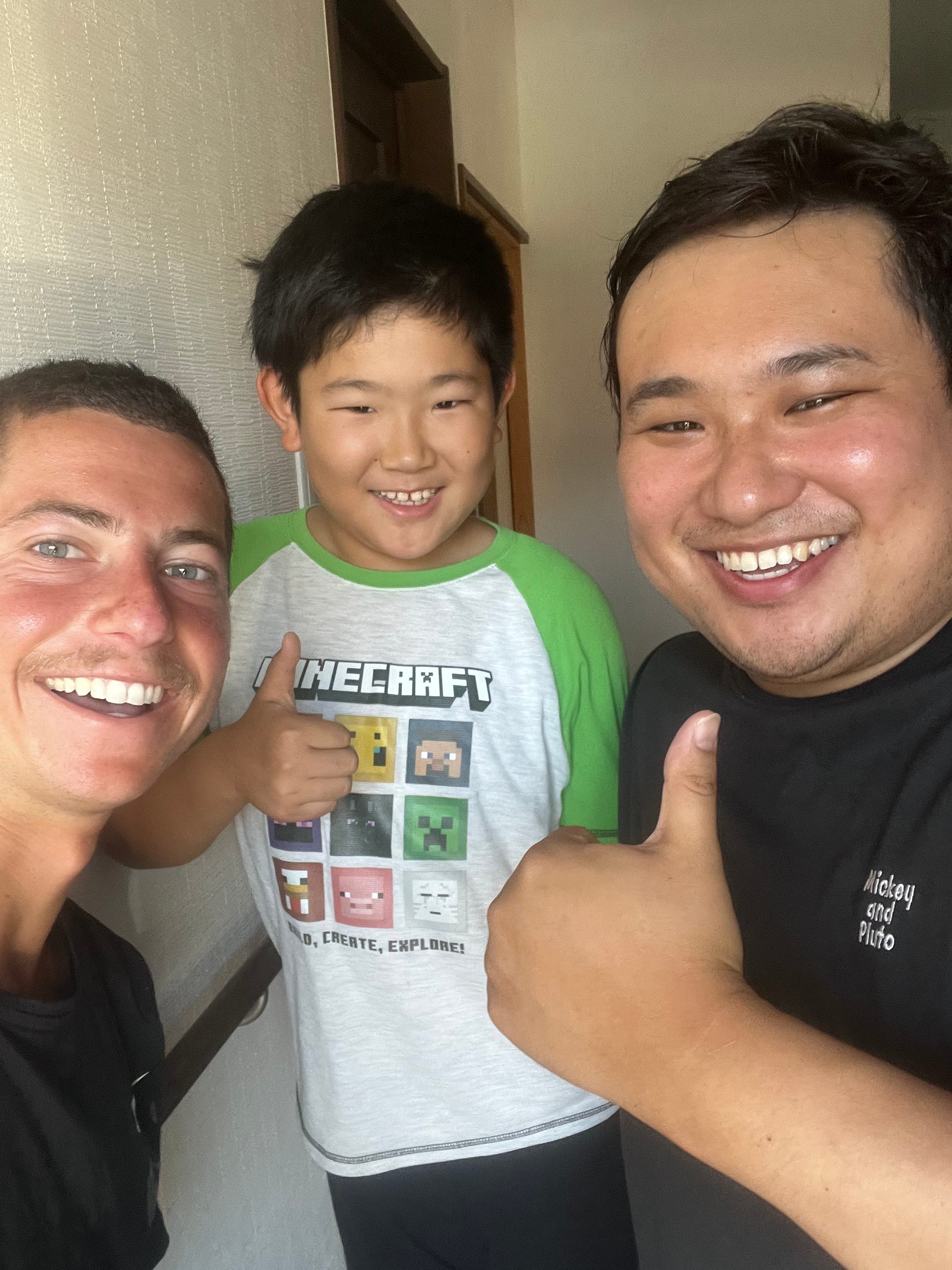
I could not have spoken with the man for more than two minutes (mind you this is over Google translate), before he ordered me inside his car. His 8 year old son and 6 year old girl sat in back. I was amazed that he trusted a stranger so quickly to come home with him and his two kids.
At the house, the man rushed to bring me a host of gifts including: a bag of chocolates, potato chips, a gas lantern, a foam sleeping pad, bug spray, cooling spray (feels icy on the skin), a brand new Nike running shirt, and a liter of water. Wow, how generous!
He rushed me inside so I could take a shower and told me to come inside for breakfast the next morning. I was elated to have met this kind friendly man, and slept like a baby in his driveway.
Sources:
https://www.smithsonianmag.com/history/the-shipwrecked-teenager-who-helped-end-japans-isolationist-era-180982199/
https://www.asianstudies.org/publications/eaa/archives/japan-and-the-sea/
Not much farther Olly, hang in there.
Olly ends on a high note!